

Repairing asphalt pavements requires assessing damage, cleaning the affected area, and applying the correct repair method based on severity. Learning how to repair an asphalt parking lot starts with understanding whether the issue is surface-level wear or deeper structural failure.
Asphalt parking lot repair typically involves crack sealing, patching, spray injection patching, or asphalt resurfacing, depending on damage depth. Water infiltration is the main cause of deterioration because it weakens the bond between asphalt binder and aggregate (Neupane & Wu, 2025). Early intervention helps prevent costly reconstruction and extends pavement life significantly.
Quick Summary
- Asphalt parking lot repair depends on the depth of damage and the base condition
- Water infiltration is the main cause of pavement failure
- Early crack sealing prevents potholes and structural breakdown
- Resurfacing is used when surface wear becomes widespread
Written by The Vintage Multimedia Team
Triple J Construction Services handles commercial asphalt repair projects where durability and traffic load matter most. Our team works on asphalt pavements exposed to constant vehicle traffic, weather changes, and long-term surface wear.
We’ve seen how small cracks turn into full localized breakups when ignored. That experience shapes how we approach every parking lot repair project. Instead of quick patches, we evaluate subgrade strength, drainage flow, and asphalt binder performance.
In real projects, we often repair asphalt parking lots that show visible deterioration caused by water penetration and loose asphalt material. Early action often avoids the full resurfacing process and extends pavement life significantly.
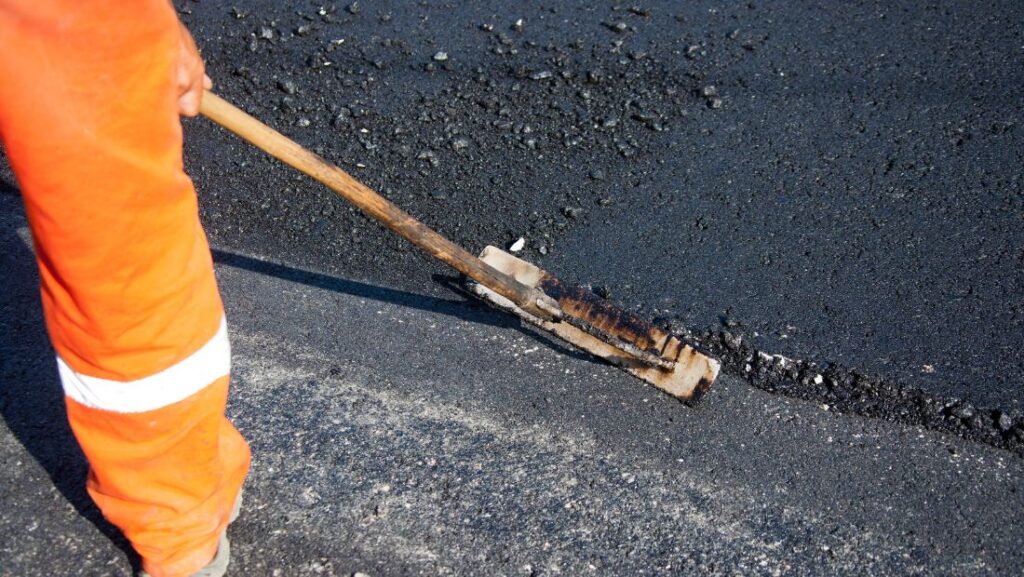
What Causes Damage in Asphalt Parking Lots?
Asphalt damage usually starts at the surface but quickly spreads into deeper layers when moisture enters the pavement. Research shows that water weakens the bond between asphalt binder and aggregate, which reduces structural strength and leads to cracking, potholes, and base failure over time. Once moisture reaches the base and subgrade, the pavement loses firm support and begins to deteriorate rapidly under traffic loads.
Water remains the most damaging factor in asphalt pavements because it triggers internal weakening rather than just surface wear. Heavy traffic, poor drainage, and environmental exposure, such as rain and temperature changes, accelerate this process by stressing the asphalt binder and reducing overall durability.
Key Causes
- Water infiltration from rain and snow
- Heavy vehicle traffic and load stress
- Poor drainage and standing water
- Grease and chemical surface contamination
How to Assess Asphalt Parking Lot Damage
Assessing asphalt parking lot damage requires a thorough walk-through of the site to identify, measure, and document surface issues such as cracking, potholes, and drainage problems. Detecting these concerns early allows property owners to plan targeted maintenance before minor defects develop into full pavement failure and expensive reconstruction.
Key Damage Indicators to Look For
- Alligator Cracking: Interconnected cracking that resembles reptile skin, typically signaling base layer failure and stress from heavy traffic loads.
- Cracks and Fissures: Includes both longitudinal cracks (running parallel to traffic flow) and transverse cracks (running across the pavement). Severity is usually determined by width; cracks under 1/4 inch are considered low severity, while wider or branching cracks require immediate attention.
- Potholes: Deep surface cavities that form when water penetrates the subgrade and causes structural breakdown of the asphalt layers.
- Standing Water: Pooled water that remains more than 24 hours after rainfall indicates poor drainage and weakening pavement slope conditions.
- Surface Deterioration: Includes raveling (loose aggregate on the surface), fading or graying due to UV exposure, and soft spots caused by oil or fluid contamination.
- Additional Issues: Inspect for faded striping (especially if visibility drops below 25%), damaged wheel stops or bumper blocks, and trip hazards around utility cuts or trench repairs.
Tools You Will Need
- Safety Equipment: High-visibility safety vest and proper protective gear.
- Documentation Tools: Smartphone or camera for visual records, along with a notepad for logging problem areas.
- Measuring Equipment: Tape measure for crack width assessment and a measuring wheel for calculating damaged surface areas.
- Site Mapping Materials: A printed or digital site map to mark and outline specific damage locations for repair planning.
Step-by-Step: How to Repair an Asphalt Parking Lot
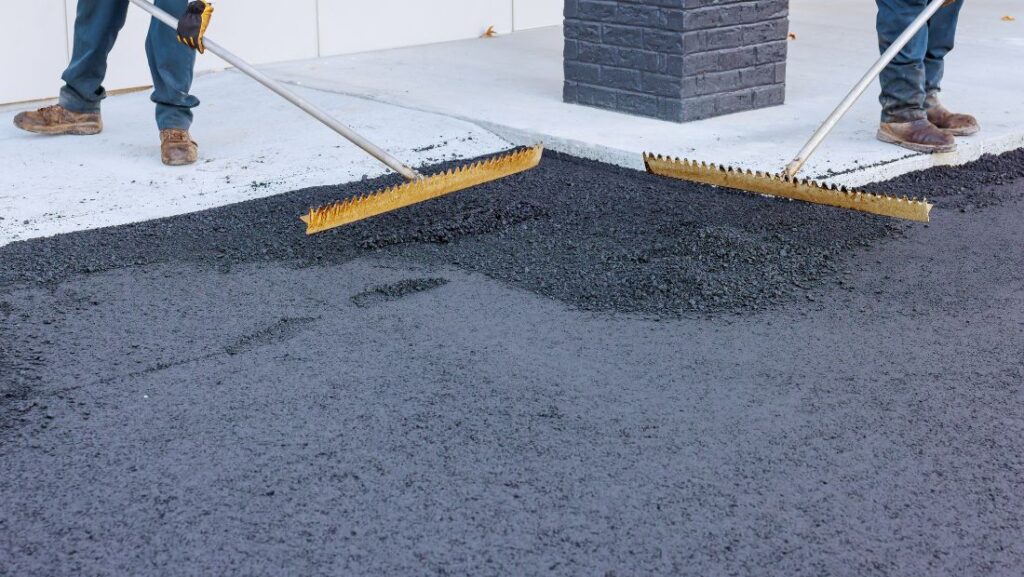
Repairing asphalt parking lots follows a structured process to ensure long-term performance. The first step always focuses on cleaning and preparation.
A pressure washer or high-volume blower removes debris, dirt, and loose asphalt material. This helps the new asphalt mix bond properly to the surface.
Step 1: Cleaning and Surface Prep
The area is cleaned using forced air and water pressure systems. Any debris or dirt must be removed completely before repair begins. Proper preparation ensures the asphalt binder adheres correctly to the damaged area.
Step 2: Cutting and Removing Damaged Sections
For potholes and more serious damage, contractors cut out visibly damaged material. This creates clean vertical edges for proper bonding. The damaged layer is removed until firm support is reached in the base.
Step 3: Applying Tack Coat and Base Repair
A tack coat is applied to help bind the new asphalt mix to the existing pavement. This step improves adhesion between layers. If needed, the subgrade is stabilized before laying new material.
Step 4: Installing New Asphalt Mix
New asphalt mix is placed into the repaired section. Contractors ensure proper layering and compaction for strength. For smaller areas, a cold patching mix may be used as a temporary solution.
Step 5: Compaction and Finishing
Adequate compaction is applied using heavy rollers. This ensures the repaired area reaches firm support and blends with the surrounding pavement. The surface is leveled until smooth and traffic-ready.
Asphalt Repair Methods Explained
Different damage levels require different repair techniques. Choosing the correct method improves durability and reduces future repair costs.
| Repair Method | Best Use Case | Material Type | Outcome |
| Crack Sealing | Small cracks | Hot emulsion | Prevents water entry |
| Patching | Potholes | New asphalt mix | Restores surface strength |
| Spray Injection Patching | Localized breakup | Asphalt binder + aggregate | Fast structural fix |
| Resurfacing | Surface wear | Asphalt resurfacing layer | Full top layer renewal |
Spray Injection Patching Explained
Spray injection patching uses compressed air and hot emulsion to clean and repair damaged spots. A specially equipped truck carries an emulsion tank, aggregate bin, and injection head.
The system forces new material into potholes using pressure and air flow. This creates a strong bond between old and new asphalt layers.
Cold Patch vs Hot Mix Asphalt
Cold patching mix is often used for temporary fixes. It works well in emergency parking lot repair situations.
Hot mix asphalt provides stronger bonding and longer-lasting results. It is preferred for permanent repairs.
Repair vs Resurfacing vs Replacement
Choosing between repair methods depends on pavement condition and damage spread.
Repair
Used for small cracks, potholes, and isolated damage. This method extends asphalt life without major reconstruction.
Asphalt Resurfacing
Asphalt resurfacing applies a new top layer over existing pavement. It restores smoothness and improves appearance.
Full Replacement
Used when asphalt pavements show deep structural failure. This involves removing and replacing the entire surface and subgrade.
Why Repairs Break Down Early
Repairs fail when the subgrade is weak or when moisture continues to enter the pavement. Even a new asphalt mix cannot hold without firm support.
Poor compaction and weak joints also lead to early deterioration. Water infiltration remains the most common failure trigger.
Alligator Cracking and Structural Failure
Alligator cracking indicates that the base layer has failed. In this case, surface repair alone will not solve the issue.
Full-depth repair or replacement becomes necessary when cracking spreads across large parking lots.
Drainage and Long-Term Asphalt Performance
Drainage plays a major role in asphalt lifespan. Standing water weakens asphalt binder and accelerates wear.
Proper slope design helps prevent water pooling on the surface layer. This reduces long-term repair frequency significantly.
Common Parking Lot Repair Mistakes to Avoid
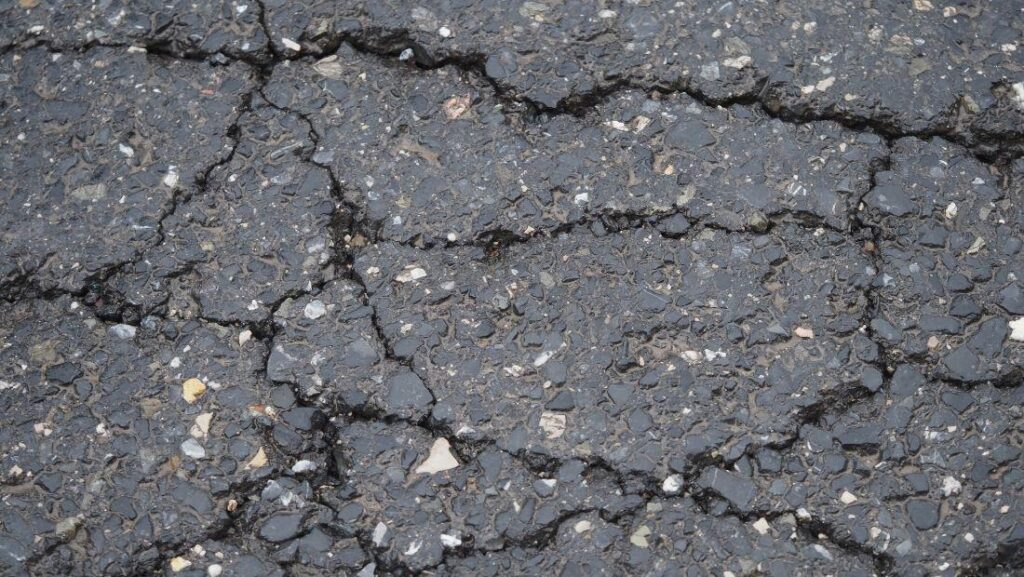
Common parking lot repair mistakes often lead to premature failure of new asphalt and higher long-term repair costs. Most issues happen when surface-level fixes are used instead of addressing deeper structural problems, especially in areas with drainage issues or weakened subgrade support.
1. Ignoring the Root Cause (Surface-Level Fixes Only)
Applying sealant or patching over alligator cracking or heavily rutted areas without fixing the base layer usually results in failure. When the subgrade is compromised, full excavation and proper base repair are required to restore structural strength.
2. Failing to Properly Clean Cracks and Potholes
Repair materials will not bond correctly if cracks or potholes contain dirt, debris, or vegetation. This causes water infiltration and early breakdown of the repair. Proper preparation requires thorough cleaning, so sealants adhere directly to asphalt sidewalls.
3. Ignoring Weather Conditions During Repairs
Asphalt work performed in unsuitable weather conditions can lead to weak bonding and poor curing. Cold temperatures, rain, or extreme heat can compromise repair quality. Ideally, conditions should remain stable and above recommended temperature thresholds for at least 24 hours during installation.
4. Overusing Sealcoating
Applying sealcoat too frequently can create buildup on the surface, leading to peeling, cracking, and reduced effectiveness. In most cases, sealcoating every 2–3 years provides the best balance of protection and durability.
5. Ignoring Drainage and Edge Damage
Poor drainage allows water to pool and slowly weaken the asphalt from below. Likewise, damaged or crumbling edges reduce pavement stability and cause material loss over time. Both issues must be addressed early to prevent widespread deterioration.
Need Professional Parking Lot Repair?
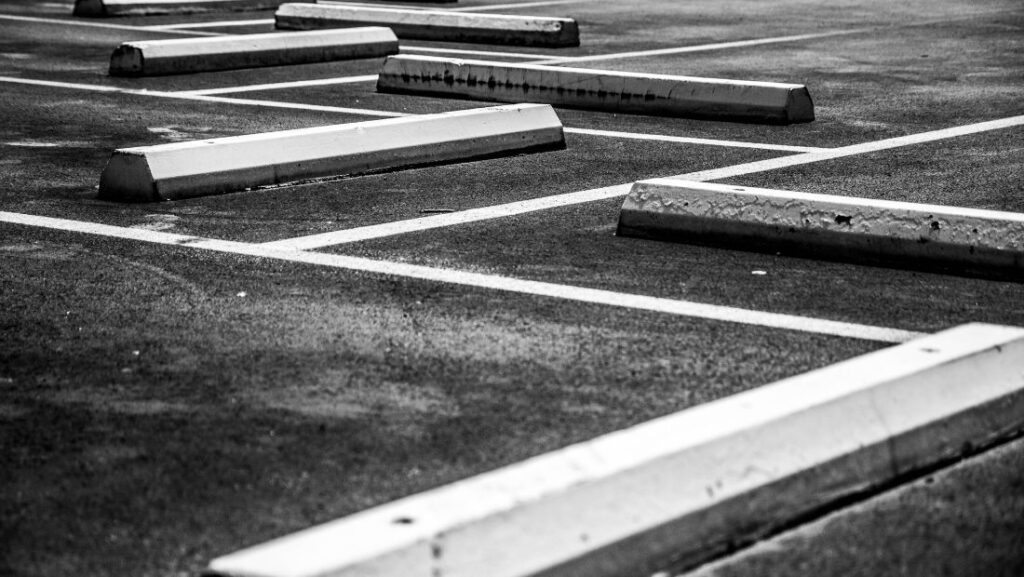
If your asphalt parking lot shows signs of cracking, potholes, or drainage failure, early intervention can prevent costly reconstruction.
Triple J Construction Services provides professional asphalt repair, resurfacing, and maintenance solutions designed to restore structural integrity and extend pavement life.
Contact Triple J Construction Services today to schedule an inspection and get a tailored repair plan before minor damage turns into major pavement failure.
Maintenance Tips for Asphalt Parking Lots
Proper asphalt maintenance requires consistent, proactive care to prevent structural damage and expensive repairs. Key practices include routine cleaning, early crack repair, spill control, drainage maintenance, and periodic sealcoating.
1. Routine Cleaning and Spill Control
Regularly sweep the surface to remove dirt, leaves, and debris that trap moisture and encourage deterioration. Immediately clean oil or fuel spills using absorbent materials and a commercial degreaser, as petroleum weakens asphalt binders.
2. Crack and Pothole Repair
Seal cracks early before they expand, using hot-pour rubberized sealant for better durability. Potholes should be cleaned and filled promptly with cold patch or hot mix asphalt to prevent further structural damage and safety hazards.
3. Sealcoating Protection
Apply sealcoat every 2–3 years to protect against UV exposure, rain, and chemical damage. Newly paved asphalt should cure for 30–90 days before sealcoating to ensure proper bonding.
4. Drainage Maintenance
Keep drains, gutters, and catch basins clear to prevent standing water. Poor drainage weakens the base layer and accelerates cracking, potholes, and alligator cracking.
5. Striping and Surface Markings
Refresh parking lines, arrows, and safety markings every 1–2 years using traffic-grade paint. Clear markings improve safety and reduce liability risks.
Expert Tip
The best way to reduce repair costs is early intervention. Small cracks should never be ignored because they expand quickly under traffic and weather exposure.
Consistent maintenance, proper drainage, and timely asphalt resurfacing keep parking lots functional for years. A well-maintained surface reduces long-term repair frequency and protects structural integrity.