

To fix small holes in drywall, fill the hole with spackling compound, let it dry, sand it smooth, then apply primer and paint. Most nail and screw holes can be repaired in under an hour using basic tools. The key is applying thin layers and blending the patch so it matches the surrounding wall.
For small holes, spackling compound is usually enough. You only need a patch kit when the hole is wider than a nail or screw hole. Using the right material helps the repair blend better with the surrounding wall. For example, small holes often require only spackling compound, while larger holes may need a patch kit for better support. With the right technique and proper tools, the patched areas will blend with the surrounding wall. As a result, the goal is to create a smooth finish that matches the rest of the surface, leaving the repair nearly invisible.
What Causes Small Holes in Drywall
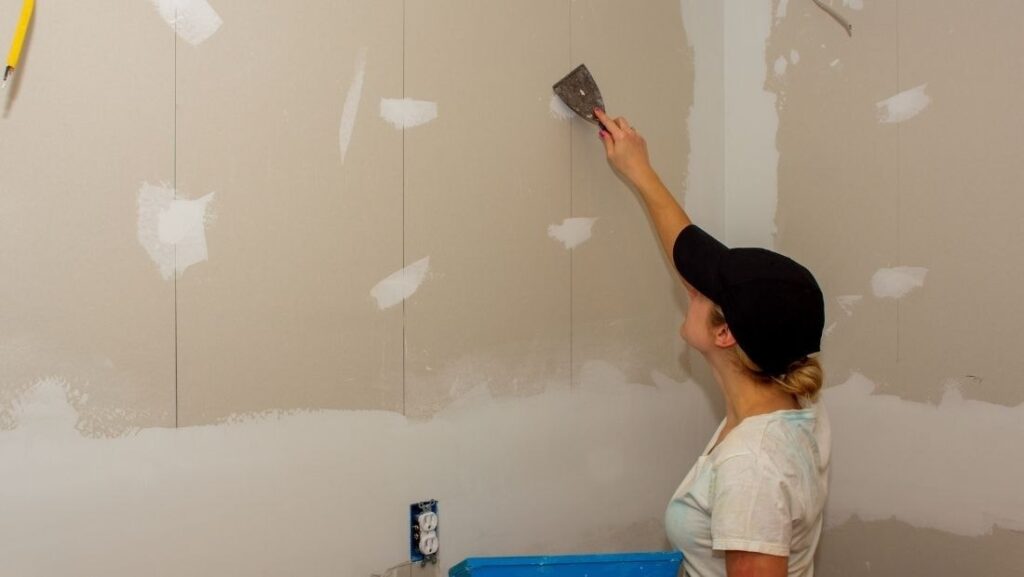
Drywall damage often develops during normal household use. Small holes usually appear after removing nails, screws, anchors, or wall fixtures. Furniture bumps, door handles, and accidental impacts can also create minor drywall holes.
Most holes stay minor and do not affect the wall structure. However, ignoring drywall holes can allow cracks or rough edges to spread. Repairing them quickly keeps the surface smooth and prevents larger damage.
Tools and Materials Needed for Drywall Repair
To fix small holes in drywall, you only need a few basic tools. Most repairs can be completed with spackling compound, a putty knife, sandpaper, and paint. These tools allow you to fill, smooth, and blend the repair with the existing wall.
| Tool | Purpose |
|---|---|
| Putty knife | Apply spackle |
| Spackling compound | Fill the hole |
| Sandpaper (120–220 grit) | Smooth the surface |
| Primer and paint | Finish the repair |
You do not need a full drywall patch kit unless the hole is larger than one inch.
Hole Size Guide for Drywall Repair
Different drywall holes require different repair methods. Understanding the hole size helps you choose the correct patch or compound.
| Hole Size | Recommended Repair Method |
| Small holes (nail or screw holes) | Fill with spackle or lightweight joint compound |
| Medium holes (1–3 inches) | Use a drywall patch kit or self adhesive mesh patch |
| Medium-sized holes near studs | Add backing or a small drywall patch |
| Large holes | Install a new piece of drywall or California patch |
Most homeowners searching for how to fix small holes in drywall deal with nail holes or anchor holes. These repairs require only a thin layer of compound.
Step-by-Step Process to Fix Small Holes in Drywall
This section explains the best way to repair drywall holes and restore the wall surface. Follow these steps to achieve a smooth finish.
Step 1: Prepare the Damaged Area
Inspect the drywall holes and clean the surrounding area. Remove loose paper, dust, or rough edges using a utility knife. If a screw or wall anchor remains, remove it carefully. Next, trim the hole edges slightly if they appear uneven. Creating a small square opening helps the compound attach better. Wipe away dust so the compound adheres properly to the surface.
Step 2: Apply Spackle or Joint Compound
Apply spackling compound or lightweight joint compound using a putty knife. Spread the compound across the hole at a slight angle. Fill the hole completely and extend the compound slightly beyond the edges to blend with the wall surface.
Step 3: Let the Compound Dry
Let the spackle dry completely before sanding. Most products dry within 30 to 60 minutes. Thicker layers may take longer.
Step 4: Sand the Surface
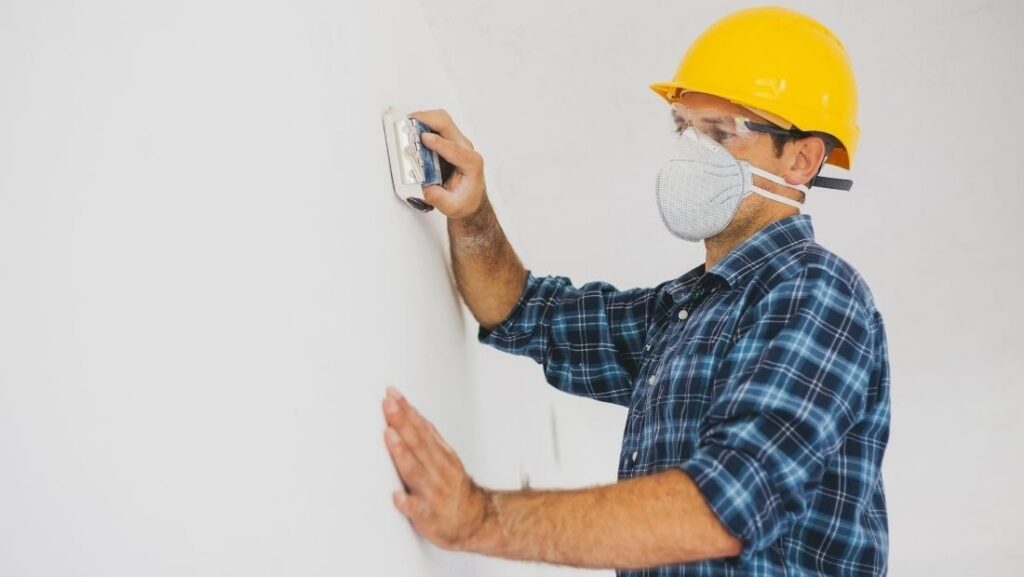
Lightly sand the area using fine sandpaper until it feels smooth and level with the wall.
Step 5: Apply a Second Coat if Needed
If the surface appears uneven, apply a second thin coat of compound. Feather the edges outward and allow the compound to dry before lightly sanding again.
Step 6: Prime and Paint the Wall
Apply primer to the repaired area to help the paint adhere and hide the patch. Once the primer dries, paint the wall using the same color and finish as the surrounding surface.
Common Mistakes When Fixing Small Drywall Holes
Many drywall repairs fail because of simple mistakes. Using too much compound, skipping sanding, or not feathering the edges can leave visible patches. Another common issue is painting without primer, which causes the repaired area to stand out. Applying thin layers and allowing proper drying time leads to a smoother, more professional result.
Repair Methods for Different Types of Drywall Holes
Not all drywall holes require the same repair technique. Understanding the hole type helps determine the correct method.
Nail and Screw Holes
Nail holes remain the easiest drywall repair task. These holes usually measure less than half an inch. Fill the hole with spackle using a putty knife. Spread the compound in a crisscross pattern for better coverage. Allow drying time, then lightly sand smooth before painting.
Anchor Holes
Wall anchors often leave wider drywall holes after removal. These holes may require additional compound.
Fill the anchor hole with lightweight joint compound. Press the compound firmly into the hole to cover the space. Smooth the surface using the putty knife. Allow proper drying time, then sand smooth before applying paint.
Medium Holes
Medium holes measure about one to three inches wide. These holes require reinforcement using a self-adhesive mesh patch or drywall patch kit.
Attach the mesh patch over the hole. Then apply joint compound across the entire patch using a trowel or putty knife. Cover the mesh completely to hide its texture. After the compound dries, lightly sand the surface and apply another thin coat if necessary.
Medium-Sized Holes with Backing
Some medium-sized holes expose the inner drywall cavity. These holes may require a small backing support. Insert a piece of wood behind the hole and secure it with a screw. Then attach a new piece of drywall over the backing. Cover the seams using drywall tape and joint compound. Allow the compound to dry, sand smooth, and apply paint.
When to Patch Drywall vs Replace Drywall
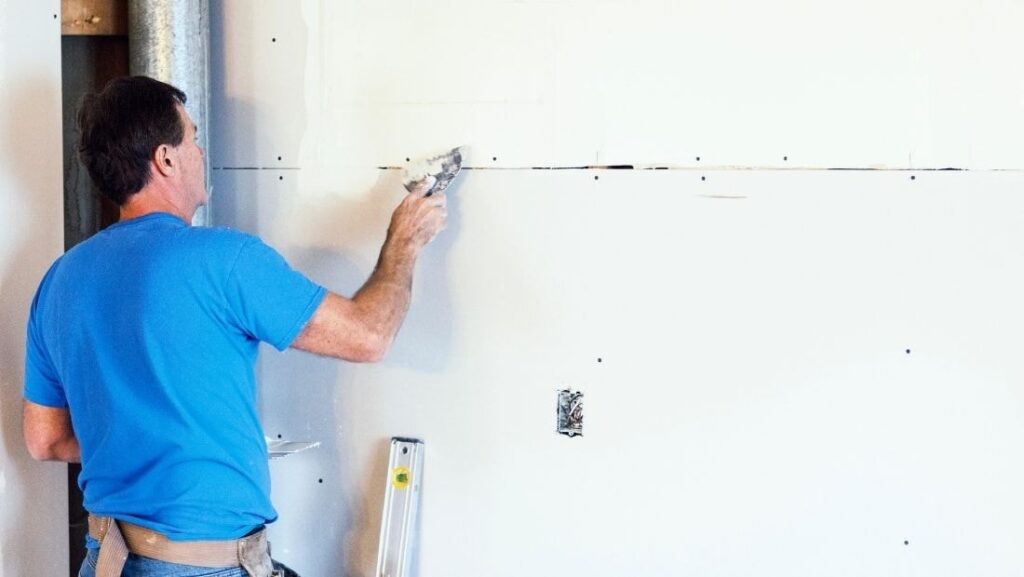
Knowing when to patch drywall versus replacing a full drywall section helps prevent unnecessary work. Most small holes, nail holes, and minor dents can be repaired using spackling compound or joint compound. Patching works best when the drywall structure remains intact, and the damage affects only the surface layer.
However, replacing drywall becomes necessary when the wall has large holes, water damage, mold, or weakened drywall panels. In these cases, installing a new drywall section ensures structural stability and prevents recurring problems. When damage spreads beyond a few inches or affects the drywall backing, replacement usually provides the most reliable repair.
Can Cracked Plaster Walls Be Repaired?
Yes, cracked plaster walls can often be repaired without replacing the entire wall. Small hairline cracks usually appear due to natural building movement, temperature changes, or aging plaster materials. These cracks can be filled using joint compound, patching plaster, or specialized crack repair compounds.
For wider plaster cracks, reinforcing the repair with mesh tape helps prevent the crack from reopening. After filling and smoothing the area, sanding and repainting restore the wall’s appearance. If cracks continue to expand or appear repeatedly, structural movement or moisture issues may require professional inspection.
How Long Do Wall Repairs Usually Take?
The time required for wall repairs depends on the size of the damage and the repair method used. Small wall damage, such as nail holes or anchor holes, can often be repaired within one to two hours, including drying time between coats.
Medium drywall repairs may require several hours or even a full day because multiple layers of compound need proper drying time. Larger wall repairs that involve replacing drywall sections can take one to two days, depending on the patching, sanding, priming, and painting steps.
Most small drywall hole repairs take 30 minutes to 1 hour, including drying time. Fast-drying spackle can reduce the total repair time, allowing you to complete multiple holes in one session.
What Wall Repair Material Works Best for Walls
Different wall repair materials work best depending on the type of damage. Spackling compound is commonly used for small drywall damage because it dries quickly and sands easily. Lightweight joint compound also works well for small repairs and thin patch layers.
For larger holes or patched drywall sections, standard joint compound combined with drywall tape provides stronger reinforcement. Mesh patches and drywall patch kits are often recommended for holes between one and three inches wide. Choosing the correct repair material ensures a smoother finish and long-lasting wall repair.
Tips for Achieving a Smooth Finish
A professional drywall repair always produces a seamless finish. Follow these tips to improve your repair results.
Drywall Repair Tips
- Always use thin layers of compound
- Feather edges beyond the patched areas
- Allow proper drying time between coats
- Use fine sandpaper or a sanding sponge
- Remove dust before applying primer
- Match the paint texture with the surrounding wall
Thin coats prevent lumps and help create a smooth finish.
Conclusion
Learning how to fix small holes in drywall helps maintain a clean and professional wall surface inside any home. Most small drywall holes can be repaired using spackling compound, joint compound, or a drywall patch kit, along with the right tools. By preparing the hole, applying a thin layer of compound, allowing proper drying time, and sanding smooth, you can create a seamless finish that blends with the surrounding wall. Addressing drywall holes early prevents cracks, rough edges, and larger repairs later.
At Triple J Construction Services, we understand that wall damage can affect the appearance and value of your property. Our experienced team provides reliable drywall repair and interior wall restoration, ensuring every patch blends smoothly with the surrounding surface. Whether you are dealing with small drywall holes, medium holes, or larger wall damage, we use professional tools and proven repair methods to restore your walls properly. Contact us today to schedule a consultation and get expert help keeping your walls strong, smooth, and professionally finished.