

Cracked plaster walls can usually be repaired, but the solution depends on the cause and severity of the damage. Many homeowners notice cracks in plaster walls and assume it is only cosmetic, but some cracks can point to deeper structural issues. Understanding the causes of cracks in plaster walls helps you choose the right repair method and avoid repeat damage.
In this article, you will learn what causes cracks in plaster walls, the different types of plaster cracks, how to repair them, and when it is best to call a professional.
Why Do Cracked Plaster Walls Happen?
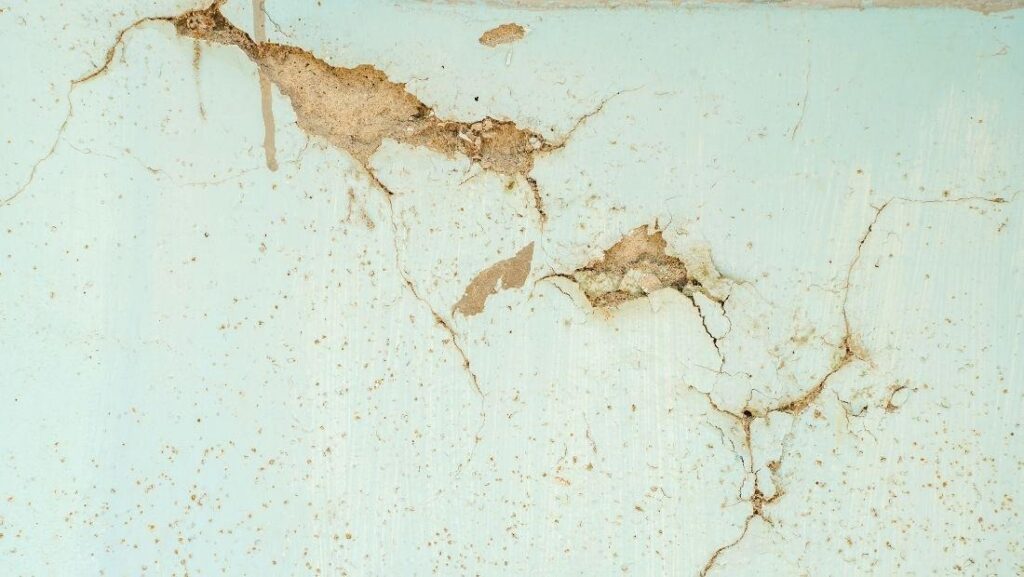
Cracks in plaster walls happen due to several internal and external factors. The most common causes of cracks in plaster walls include temperature changes, moisture, structural movement, and poor installation. Plaster expands and contracts over time, which creates stress on the surface and leads to visible cracks.
Structural movement is another common cause. As a house settles over time, minor shifts in the foundation can place stress on walls. This movement affects walls, ceilings, doors, and windows. Old plaster is also prone to cracking because it loses flexibility over time. Improper mixing of plaster mix or poor installation can also create weak layers that crack during the drying process.
From an engineering perspective, cracks form when stress exceeds the strength of the material, causing separation within the wall. These cracks can be structural or non-structural and vary in size, depth, and pattern depending on the underlying cause. If left unaddressed, they can reduce durability and allow moisture to enter, leading to further damage over time.
Causes of Cracks in Plaster Walls
The most common causes of cracks in plaster walls include natural settling, moisture changes, poor installation, and structural movement. As buildings shift over time, pressure is placed on plaster surfaces, which leads to cracking.
In some cases, blown plaster causes sections of the wall to separate from the base layer. This often happens when moisture weakens the bond or when the original plaster was not applied correctly.
Types of Cracks in Plaster Walls
There are different types of cracks in plaster, and each type requires a different repair approach.
Hairline Cracks
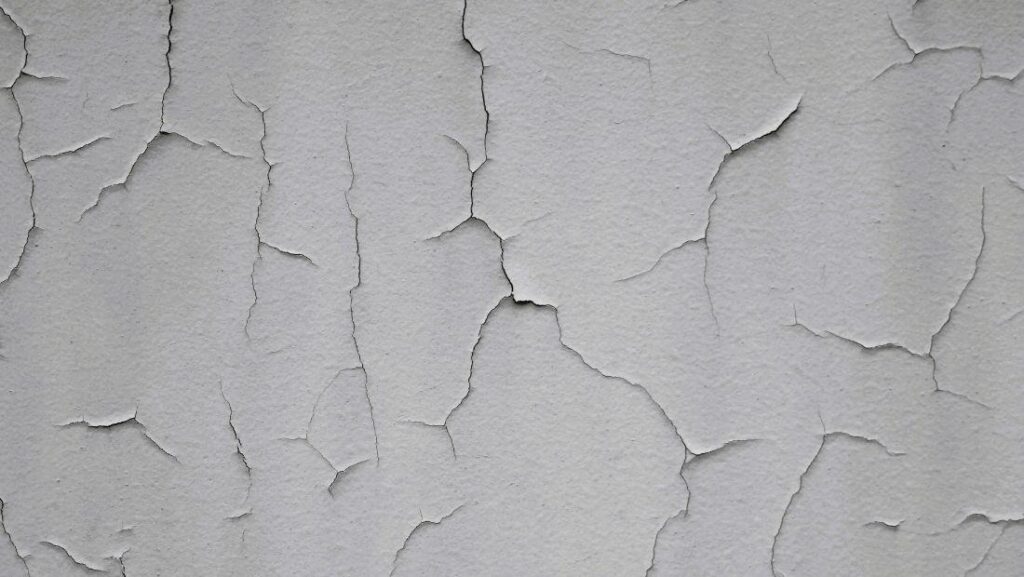
Hairline cracks are often cosmetic and usually easy to repair, but they should still be monitored for changes over time.
Small Cracks
Small cracks are slightly wider than hairline cracks. They may result from minor structural changes or daily stress, like slamming doors. These are still considered minor issues in most cases.
Large Cracks
Large cracks are deeper and more visible. They may indicate underlying problems such as structural movement or moisture damage. These cracks need more than simple patching.
Structural Cracks
Structural cracks are wide, deep, and often recurring. They usually appear near corners, ceilings, or around windows and doors. These cracks suggest structural problems within the building.
Crack Type vs Severity vs Recommended Action
| Crack Type | Severity Level | Recommended Action |
| Hairline cracks | Low | Fill with joint compound and paint |
| Small cracks | Moderate | Patch with tape and compound |
| Large cracks | High | Remove loose plaster and repair |
| Structural cracks | Severe | Professional inspection required |
Can All Cracked Plaster Walls Be Repaired?
Most cracked plaster walls can be repaired, but not all repairs are the same. Minor cracks often need only filler and a smooth coat of paint. However, larger cracks or structural cracks require deeper repair.
If cracks occur repeatedly, they may point to underlying issues in the structure. In these cases, simple patching will not solve the problem. Addressing structural cracks requires fixing the root cause before applying any plaster repair.
How to Repair Cracked Plaster Walls
Repairing plaster walls depends on the size and type of cracks. The goal is to create a smooth surface while preventing future damage.
For Hairline and Small Cracks
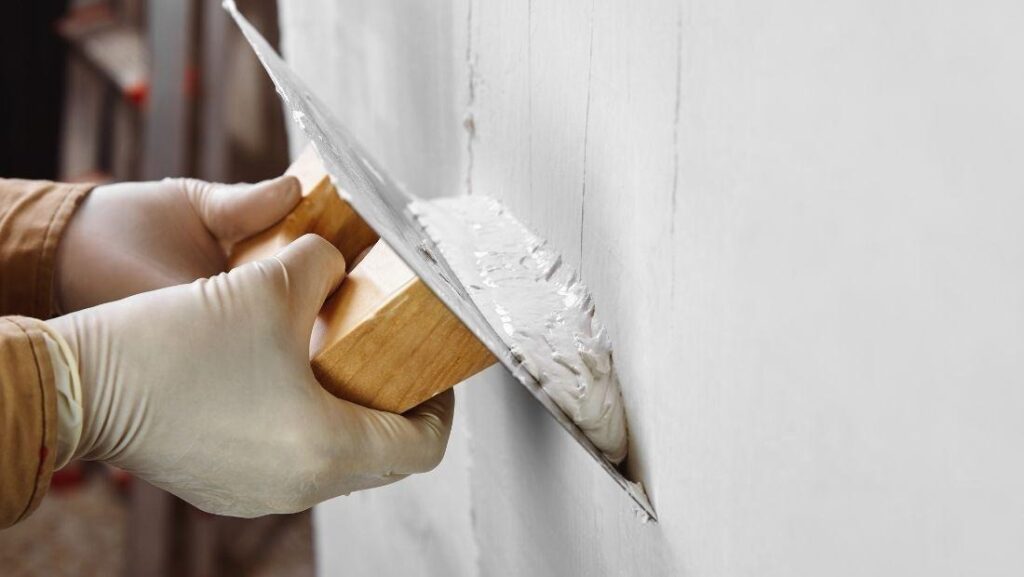
Start by cleaning the underlying surface. Remove dust, debris, and loose plaster using a putty knife. Apply a thin layer of joint compound or drywall compound. Spread it evenly across the crack and smooth the edges. Once dry, sand the surface and apply paint.
For Medium Cracks
Widen the crack slightly to improve adhesion. Apply tape over the crack, then cover it with compound. Use a putty knife to smooth the surface. Let it dry before sanding and adding another coat if needed.
For Large Cracks
Remove loose plaster and inspect the layers underneath. Apply a new plaster mix or filler to rebuild the damaged area. Add tape for support, then apply multiple coats. Each coat should dry before sanding to achieve a smooth finish.
What Tools and Materials Are Needed for Plaster Repair
Using the right materials helps create a strong and lasting repair.
- Putty knife
- Joint compound or drywall joint compound
- Plaster mix
- Tape
- Sandpaper
- Paint
- Filler
- Dust cloth
These materials help repair cracks, fill holes, and restore the surface of plaster walls.
When You Should Not Repair It Yourself
Some cracks in plaster walls require professional help. Attempting DIY repair in these cases can lead to bigger problems.
Signs You Need a Professional:
- Cracks wider than 1/4 inch
- Cracks that keep coming back
- Walls feel soft or loose
- Moisture stains or damage appear
- Cracks near ceilings, corners, or structural points
These signs often indicate structural issues or underlying problems that need proper diagnosis.
What Are The Signs of Serious Structural Issues
Cracks alone do not always mean structural problems. However, certain patterns suggest deeper concerns.
- Diagonal cracks near windows or doors
- Gaps forming between walls and ceilings
- Uneven floors or a shifting structure
- Doors and windows no longer align
These issues point to structural movement and require immediate attention.
Cost Factors for Repairing Cracked Plaster Walls
The cost of plaster repair depends on several factors. Minor repairs cost less because they involve simple patching. Larger repairs require more labor and materials.
Factors that affect cost include:
- Size of cracks
- Depth of damage
- Labor required
- Access to damaged areas
- Presence of underlying issues
Addressing structural problems increases cost but prevents repeated repairs.
How to Prevent Future Cracks in Plaster Walls
Preventing cracks is easier than repairing them repeatedly. Proper maintenance helps extend the life of plaster walls. Control moisture levels inside the house and fix leaks as soon as they occur. These steps reduce stress on the surface and prevent damage caused by expansion and shrinkage.
You should also avoid slamming doors that create vibration and stress on walls. Use proper materials during repair to strengthen the surface. Monitor structural movement regularly and inspect walls for early signs of damage. Regular checks help catch minor issues before they turn into major problems.
Plaster vs Drywall Cracks
Plaster and drywall cracks may look similar, but they behave differently. It is harder and more brittle, so it cracks more easily with movement. Drywall is more flexible and often shows smaller cracks.
Drywall cracks are usually repaired using drywall joint compound. Plaster cracks often need plaster mix and deeper repair. Both materials require proper surface preparation and smooth finishing.
Why Professional Plaster Repair Matters
Professional repair goes beyond fixing the surface. It focuses on identifying and solving the root cause of cracks.
Experts inspect the underlying surface and structure before starting repair. They use the right materials and methods to prevent future damage. This approach saves time and reduces long-term costs.
Professional plaster repair also improves the overall appearance of walls and ceilings. It creates a smooth finish that blends with the rest of the structure.
When to Call a Professional for Plaster Repair
You should call a professional for plaster repair when cracks are large, spreading, or keep returning after repair. These signs often point to deeper underlying issues that simple patching cannot fix. Moisture or mold on the walls can also weaken the plaster and cause ongoing damage.
If the walls feel unstable or loose, or if you notice signs of structural movement, it is best to seek expert help. A professional can assess the condition of the plaster and identify any structural problems before they worsen.
Conclusion
Cracked plaster walls can often be repaired, but the right approach depends on the type and cause of the cracks. Hairline and small cracks are usually cosmetic and easy to fix, while large or structural cracks may point to deeper issues within the building. Understanding what caused the cracks helps you avoid repeated repairs and higher costs. Addressing problems early keeps your walls stable, safe, and visually clean.
At Triple J Construction Services, we handle plaster repair with a focus on long-term results, not just surface fixes. Our team inspects the structure, identifies the root cause, and applies the right repair method for lasting results. If you are dealing with recurring cracks or signs of structural issues, contact us today for a professional assessment and reliable repair solutions.