

What wall repair material works best for walls depends on the type of damage, the wall surface, and the goal of the repair. Many homeowners start a home improvement project thinking one product will fix everything, but that is rarely the case. The right wall repair material helps you save money, avoid repeat work, and get professional-looking results the first time.
Wall damage can come from nail holes, scuffs, cracks, or larger holes caused by impact. Some repairs are quick and simple, while others need the right tools, materials, and proper process. This guide explains what works, when to use it, and how to complete the job smoothly.
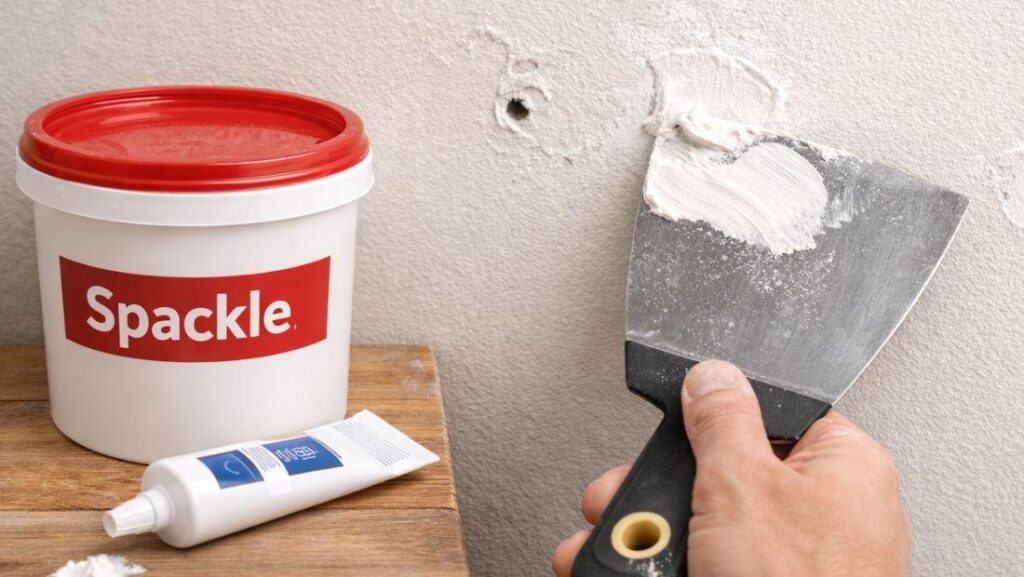
What Wall Repair Material Works Best for Walls Based on Damage Type
What wall repair material works best for walls becomes clear once you identify the type of damage. Different issues need different solutions, especially when working with drywall, plaster, or concrete surfaces.
Small Holes and Minor Surface Damage
Small holes, dings, and scuffs are the most common issues in interior walls. These usually come from nails, screws, or moving furniture during a renovation project.
Spackle is the best wall repair material for this type of damage. It spreads easily with a putty knife or spatula and dries white, making it easy to cover with paint. A small tube or repair kit is often enough to complete the task.
Medium Damage and Surface Cracks
Medium damage includes shallow cracks, dents, and areas where the surface looks uneven. These repairs need a stronger material that bonds well and creates a smooth finish.
Joint compound works best for this situation. It spreads smoothly, fills imperfections, and sands down easily using a sanding pad or sandpaper. This material helps create a clean surface before you prime and paint.
Larger Holes and Broken Drywall
Larger holes require more than just filling. You need to rebuild the wall surface before finishing the repair.
A wall patch or drywall repair kit works best for this type of damage. These kits include adhesive mesh or backing that supports the repair. After placing the patch, apply joint compound to cover and blend it with the surrounding wall.
Cracks That Keep Coming Back
Recurring cracks can indicate deeper issues within the wall or structure. Simply filling them without addressing the cause may lead to repeated repairs.
For these cases, use a thicker compound or plaster designed for strong bonding. If cracks continue to appear, it may be time to call a professional for further inspection.
Water-Damaged Walls
Water damage weakens drywall and affects the surface integrity. You may notice soft spots, stains, or peeling paint. Studies show that moisture can significantly reduce wall strength, which is why surface repairs alone may not last if the source is not fixed.
The best approach is to remove the damaged section, allow the area to dry, and then apply a patch with compound. Always fix the source of moisture first to prevent future issues.
What Are The Best Wall Repair Materials Used in Real Jobs
What wall repair material works best for walls often comes down to using the right product for the job. These are the most common materials used in wall repair.
Spackle
Spackle is ideal for small holes and quick fixes. It is lightweight, easy to spread, and dries fast. This makes it a popular choice for homeowners handling simple repairs.
Joint Compound
Joint compound is the most versatile wall repair material. It works for small holes, larger holes, and finishing drywall seams. It spreads smoothly and sands easily for a clean finish.
Drywall Patch Kits
Patch kits are useful for larger holes and damaged drywall sections. These kits include all necessary supplies, such as mesh, adhesive, and compound.
Plaster
Plaster is commonly used in older homes and for thicker repairs. It creates a durable surface but requires more skill and time to apply correctly.
Wall Putty
Wall putty is used to smooth surfaces before painting. It is not meant for filling deep holes or cracks, but works well for final surface preparation.
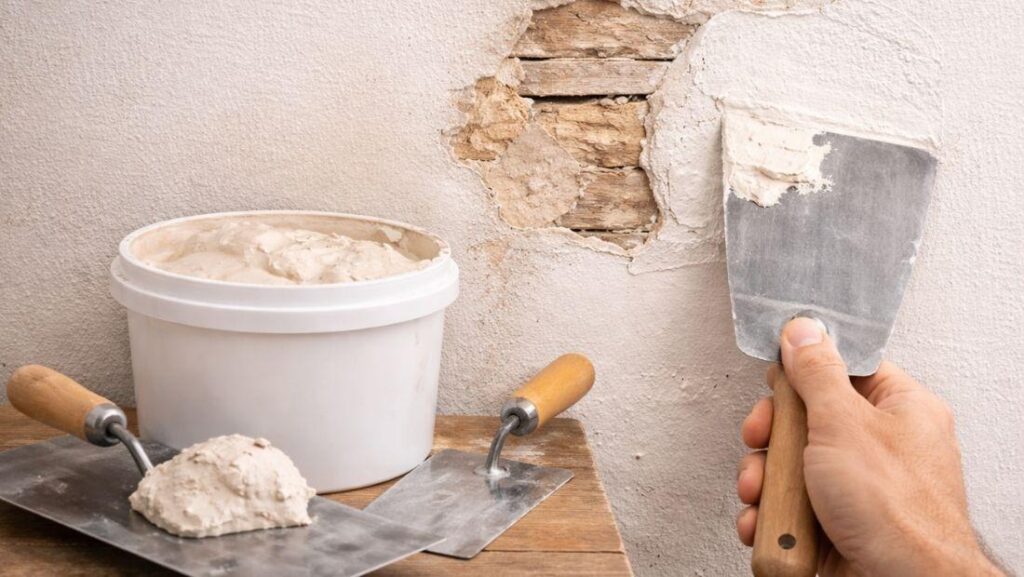
How to Choose the Right Wall Repair Material
The wall repair material that works best for walls depends on several factors, including damage size, wall type, and repair goals. Choosing the right option makes the process easier and improves results.
Quick Decision Checklist
Use this simple guide before starting your next project:
- Use spackle for small holes, nail holes, and light surface damage
- Use joint compound for cracks, dents, and medium repairs
- Use a patch kit for larger holes in drywall
- Use plaster for deep repairs or older wall surfaces
- Replace damaged sections for water-related issues
Other Factors to Consider
Think about the wall material, whether drywall, plaster, or concrete. Also consider if the repair is in a high-traffic area, such as near floors or ceilings.
Skill level matters as well. Some repairs are simple DIY tasks, while others require professional tools and experience.
Step-by-Step Wall Repair Process
A proper wall repair process helps you achieve smooth and long-lasting results. Skipping steps can lead to poor finishes and repeated work.
Basic Repair Steps
- Clean the damaged area and remove loose debris: Wipe away dust, dirt, and any loose drywall or plaster so the material can bond properly.
- Apply the wall repair material using a putty knife or spatula: Spread the compound evenly over the damaged area, making sure to fill all holes and cracks.
- Let the material dry completely: Allow enough drying time based on the product so the repair sets properly before moving forward.
- Sand the surface using a sanding pad or sandpaper: Smooth out the repaired area so it blends with the surrounding wall surface.
- Prime the area to seal it: Apply primer to help the paint stick better and prevent uneven color or texture.
- Apply paint to match the surrounding wall: Finish the repair by painting over the area so it looks clean and consistent with the rest of the wall.
This process works for most drywall and interior wall repairs. Taking your time at each step helps create a smooth and professional finish.
Common Mistakes That Lead to Repeat Repairs
Many wall repair issues happen because of simple mistakes. Avoiding these can save time, money, and effort.
- Using spackle for larger holes instead of a proper patch
- Skipping sanding, which leaves a rough surface
- Applying too much material at once, causing uneven drying
- Ignoring cracks without checking the cause
- Painting without priming the repaired area
These mistakes can affect the quality of the repair. They can also lead to more work later.
When Wall Repair Needs Professional Help
Some wall repair situations go beyond basic DIY work. Knowing when to call a professional can prevent bigger problems.
Large holes, structural cracks, and repeated damage often need expert attention. Water damage, mold, and issues near ceilings or windows may also require professional tools and experience.
A professional repair can provide long-term results, especially for complex jobs that need proper inspection and materials.
Cost Comparison of Wall Repair Materials
Understanding cost can help you plan your project and choose the right materials.
| Material | Best Use | Cost Level |
| Spackle | Small holes | Low |
| Joint Compound | General repairs | Low–Medium |
| Patch Kit | Larger holes | Medium |
| Plaster | Deep repairs | Medium |
Spackle and compound are budget-friendly options that work for most repairs. Patch kits and plaster may cost more but provide better results for larger or deeper damage.
Conclusion
Choosing the right wall repair material comes down to understanding the type of damage and using the correct solution for each situation. Small holes can be handled with spackle, while larger holes and cracks require joint compound or a proper patch for lasting results. Following the right process, from preparation to finishing, helps create a smooth surface and prevents repeat repairs. Taking the time to do the job correctly leads to better results, saves money, and keeps your walls in good condition over time.
At Triple J Construction & Services, we handle wall repair projects with a focus on long-term results, not quick fixes. Whether you are dealing with cracks, water damage, or larger wall issues, our team uses the right materials and proven methods to get the job done properly. If you need reliable help for your next repair or renovation project, contact us today to get started.