

Drywall holes and dents are usually caused by impact damage, poor installation, moisture exposure, or normal wear over time. These issues are common in homes and commercial buildings, especially in high-traffic areas. If you’re dealing with drywall damage in Valparaiso or nearby areas, understanding the cause is the first step before repair. Local conditions like humidity can also affect drywall over time.
In this guide, you’ll learn what causes drywall holes and dents, how to prevent them, and how to fix them using simple and effective methods.
What Are Drywall Holes?
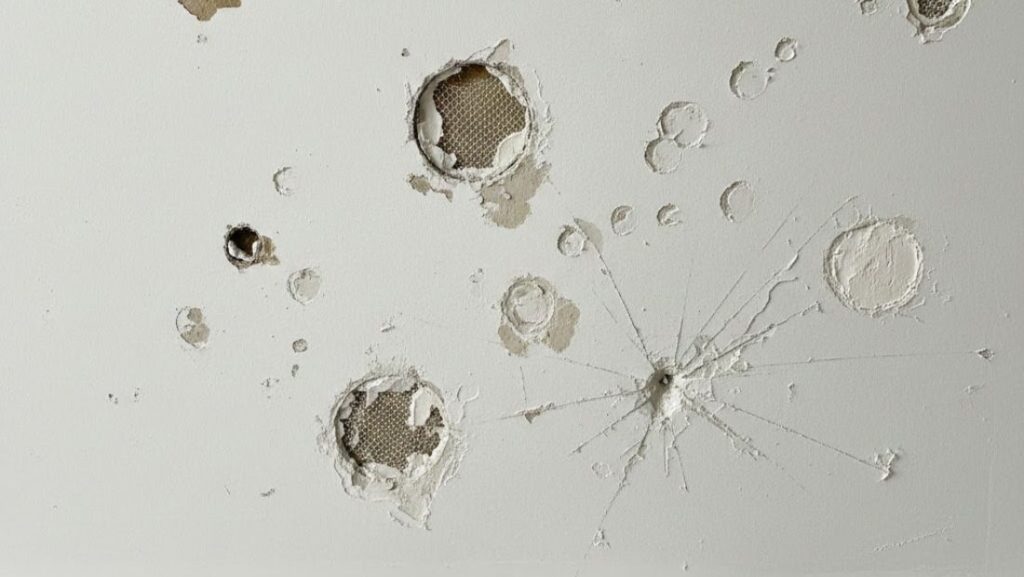
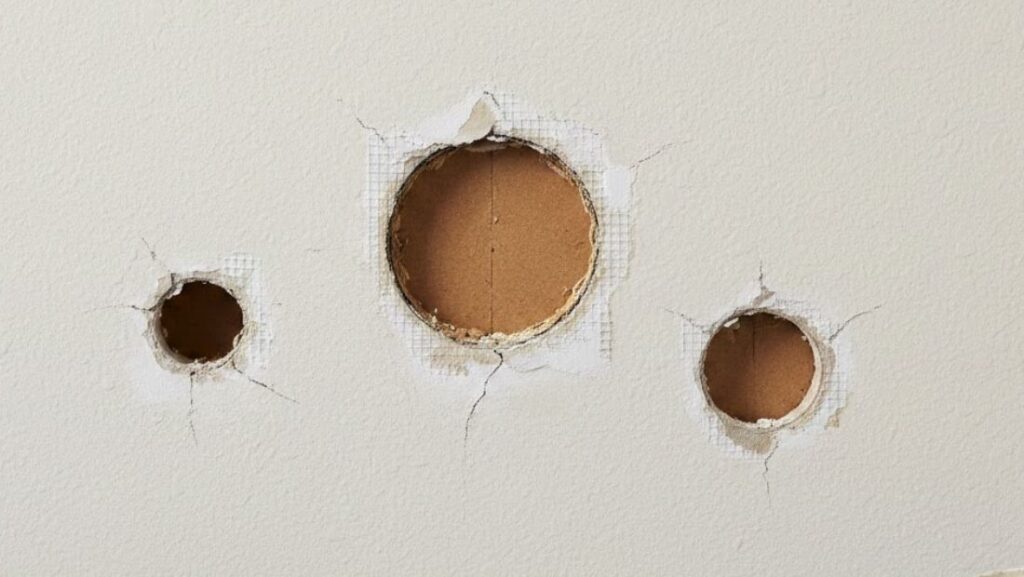
Drywall holes are openings or indentations that appear in the drywall surface, typically caused by accidental impacts, improper installation, or structural shifts. These holes can range in size from tiny punctures to larger openings, and they often occur from everyday activities like bumping furniture against the wall or hanging items improperly. Fixing drywall holes typically involves filling the hole with joint compound, spackling compound, or drywall patches, followed by sanding and painting for a smooth, seamless finish.
What Are Dents?
Shallow impressions or depressions in the surface of drywall, known as dents, are typically caused by pressure or impact. Unlike holes, dents don’t penetrate the surface but can still create an unsightly appearance. These imperfections are often found in high-traffic areas where objects or furniture may frequently bump against the wall. Repairing dents involves applying a thin layer of joint compound or spackling, followed by sanding to achieve a smooth finish, restoring the wall’s integrity and appearance.
What Causes Drywall Holes and Dents?
Drywall holes and dents are caused by impact, improper installation, moisture damage, structural movement, and everyday wear. These issues often appear in high-traffic areas or where walls are not properly supported.
Accidental Impact and Bumps
Accidental impacts, like furniture or doors hitting the wall, are common causes of drywall holes and dents. Doorknobs, for instance, can repeatedly damage the wall, creating small dents or holes. Moving furniture or carrying large items can also cause unintentional damage. Children and pets playing near walls can result in dents, especially in high-traffic areas. These holes are often fixed using spackling compound, joint compound, and a putty knife.
Poor Installation or Fasteners
Improper drywall installation can lead to holes and dents. If nails or screws aren’t securely fastened to the studs, the drywall can loosen and create holes. Screw holes occur when screws don’t reach the studs, causing damage. Using incorrect anchors or placing screws too close to the drywall can also cause medium-sized holes or wall damage. Use the right fasteners, like self-adhesive mesh patches or drywall tape, for heavy objects.
Moisture and Water Damage
Water damage is another common cause of drywall holes and dents. Leaks from plumbing or the roof can weaken drywall, causing it to bubble, sag, or form holes. Larger holes can appear if water damage isn’t addressed promptly. Research in construction pathology shows that humidity and water infiltration can compromise building materials’ integrity, leading to cracks, fissures, and aesthetic damage like peeling paint and loss of plaster. Moisture‑related pathologies significantly increase the likelihood of drywall deterioration over time. For minor damage, joint compound or lightweight joint compound works well, but extensive water damage may require replacement of the drywall.
Structural Issues and Settling
As houses settle over time, studs or beams within the walls shift slightly. This natural settling process can create cracks or dents in drywall, especially in older buildings. Rough edges or cracks may appear along the joints or seams where drywall sheets meet. These cracks are usually seen around doorways or windows. They are not necessarily a sign of major structural issues, but they can affect the appearance of the wall.
Improper Maintenance and Wear Over Time
Drywall can also suffer from wear and tear over time. Constant use of the walls, especially in high-traffic areas, can result in dents, scratches, or tiny holes. For example, leaning furniture or objects against the wall can create pressure points that lead to damage. If items are not properly secured or if furniture is frequently moved, small holes can form. Painted walls are especially vulnerable to chips and scratches when not maintained properly.
How to Prevent Drywall Holes and Dents
Preventing drywall damage is key to maintaining a pristine home environment. Here are some effective tips to help you avoid holes and dents in your drywall:
- Use Protective Wall Guards: Install corner guards or door stoppers to prevent doorknob damage. Corner guards are especially useful in high-traffic areas like hallways or entryways.
- Hang Items Correctly: When hanging pictures or shelves, use the right tools and anchors. Make sure to drill into studs and use self-adhesive mesh patches to reinforce your fasteners. Avoid placing heavy objects on drywall unless they are properly supported.
- Manage Moisture Levels: Use dehumidifiers in damp areas such as basements or bathrooms to prevent moisture buildup. Check for plumbing leaks regularly to catch any water damage early.
- Regular Inspections: Inspect your drywall periodically for cracks, dents, or any signs of damage. Early detection can help you address issues before they worsen.
- Use Furniture and Object Protectors: Place furniture and heavy objects in a way that they don’t constantly press against walls. Use furniture pads to prevent scratches or dents from occurring.
How to Repair Drywall Holes and Dents
If your drywall is already damaged, there are several methods to repair small holes, dents, or cracks. Here’s a step-by-step guide to fixing drywall:
Small Holes (1/4 inch or Smaller)
- Clean the hole by wiping the area with a paper towel to remove dust and debris.
- Apply a thin layer of spackling compound using a drywall knife. Press firmly to fill the hole completely.
- Let the compound dry overnight.
- Once dry, lightly sand the area with a sanding sponge to create a smooth finish.
- For a polished look, apply a second coat of spackle or putty if necessary.
Medium Holes (1/4 inch to 1 inch)
- Use a utility knife to cut away any loose drywall around the hole.
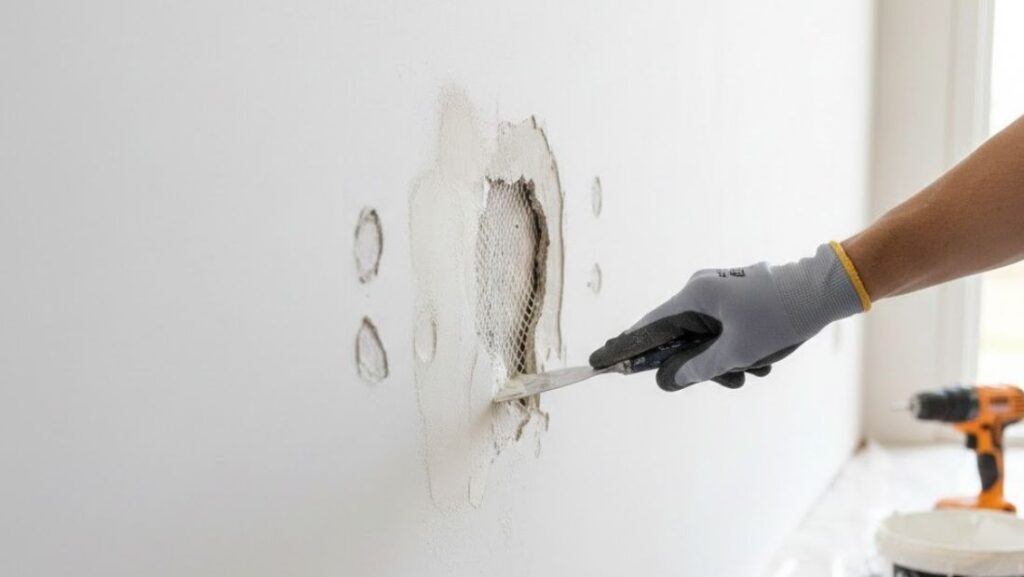
- Apply a joint compound to the hole, filling it with a drywall patch or joint tape for added strength.
- Smooth out the surface using a drywall knife and ensure the compound is level with the wall.
- After the first coat dries, apply a second coat to ensure a smooth finish.
- Sand the patched area to match the surrounding wall.
Larger Holes (More than 1 inch)
- Cut a square or rectangular patch from a new piece of drywall.
- Place the patch in the hole and attach it to the studs using drywall screws.
- Cover the edges of the patch with joint tape to hold it in place.
- Apply joint compound over the patch, feathering it out to blend with the wall.
- Let the compound dry, then sand it to achieve a smooth, even surface.
- For a flawless finish, apply a second coat of compound and sand it again.
Once the repair is complete and the surface is smooth, you can paint over the patched area to match the surrounding wall. Use a paintbrush to blend the patch seamlessly with the rest of the wall.
Conclusion
Drywall holes and dents are common issues that can occur for various reasons, including accidental impacts, poor installation, moisture damage, and natural wear and tear. Understanding the causes of drywall damage is crucial for preventing future issues and maintaining a clean, smooth surface. With proper preventive measures and timely repairs, you can preserve your drywall’s integrity and keep your walls looking pristine. Regular inspections, correct hanging techniques, and moisture management will go a long way in preventing damage. When repairing drywall, using the right tools, such as joint compound, spackling compound, and a drywall knife, will ensure a smooth and professional finish.
At Triple J Construction Services, we understand the importance of maintaining your walls and home’s interior, and we offer expert drywall repair services to ensure a seamless and professional look. Whether you have small holes or large dents, our team is equipped with the right tools and experience to get the job done right. We handle everything from small drywall dents to full wall repairs. If your walls show signs of damage, contact us today for fast and professional drywall repair in Valparaiso.