

Rotting window frames develop when moisture breaks down a wooden window frame over time, leading to wood rot, peeling paint, and weakened structural integrity. Even small gaps in paint or sealant allow water to enter, which then stays trapped and starts the rotting process. In many properties, damage begins in the bottom corners or along the window sill where moisture collects. What starts as a minor issue can quickly spread into the surrounding wood and affect nearby wall sections.
Early signs often go unnoticed, but ignoring them can lead to costly repairs and reduced energy efficiency. As rot spreads, it weakens the frame and allows air and moisture to pass through more easily. This not only affects insulation but can also lead to mold growth and further deterioration. Addressing rotting window frames early helps maintain the strength of the structure and prevents the need for full window replacement later.
What Are Rotting Window Frames?
Rotting window frames occur when wood absorbs moisture and begins to decay. This process weakens the frame, affecting both appearance and function. A window frame in good shape should feel solid and resist water intrusion.
Moisture exposure, combined with poor sealing or old paint, creates the ideal conditions for decay. Over time, this leads to rotten wood, mold growth, and damage that can spread to nearby surfaces.
How the Rotting Process Starts
Water enters small cracks in paint or gaps in sealing. Once moisture stays trapped, fungi begin breaking down the wood fibers.
The process often begins in hidden areas like the bottom corners or the window sill. These areas collect water more easily and stay wet longer.
What Causes Rotting Window Frames?
Several factors contribute to rotting window frames, but moisture remains the primary cause. Research from the U.S. Department of Agriculture shows that wood decay is driven by fungi and other organisms that thrive in moist conditions, which explains why trapped moisture quickly leads to rot.
In many properties, we see rot develop after minor sealing failures that go unnoticed for months. Water exposure, combined with poor maintenance, accelerates decay.
External conditions like rain, humidity, and poor drainage also increase the risk. When these factors combine, even a strong wooden window frame can begin to deteriorate.
Moisture and Weather Exposure
Rain and humidity expose the exterior of a window to constant moisture. Without proper protection, water seeps into the wood and starts to decay.
Failed Paint and Sealing
Old paint and cracked sealant allow moisture to enter. Peeling paint is often one of the first visible signs of a problem.
Poor Installation and Drainage
Improper installation can trap water around the frame. Water that cannot drain properly leads to wet rot and further deterioration.
Lack of Regular Maintenance
Skipping regular maintenance increases the risk of rotten window frames. Small issues turn into major damage when ignored.
Signs of Rotting Window Frames
Recognizing the early signs of rotting window frames helps prevent larger repairs. Many issues are visible if you inspect the surface carefully.
Changes in texture, color, and performance usually indicate a problem.
- Soft or spongy wood when pressed
- Peeling paint or bubbling exterior paint
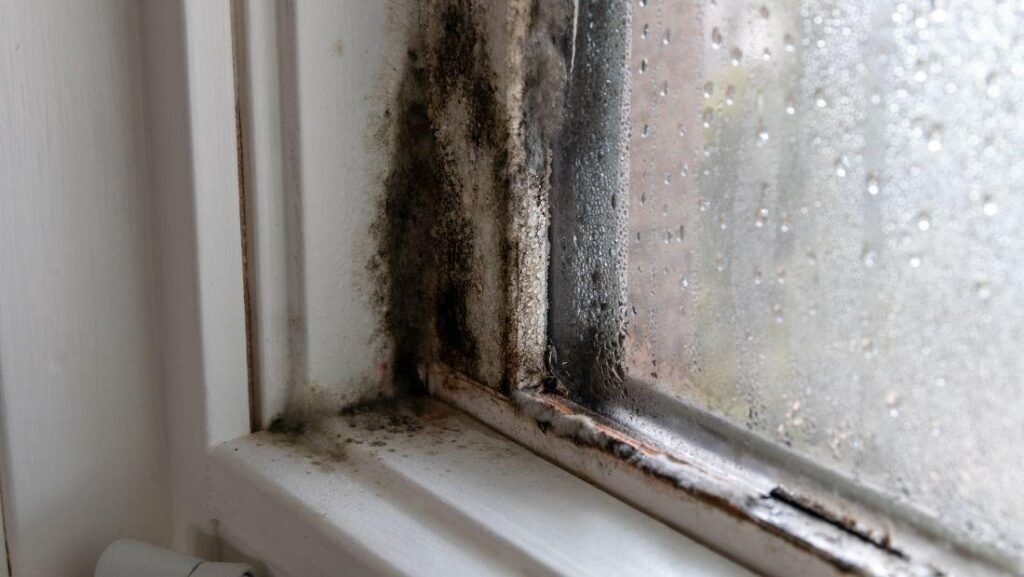
- Dark stains, mold, or mildew
- Cracks or holes in the frame
- Drafts affecting energy efficiency
Where Damage Usually Appears
Rot often starts in the bottom corners and along the window sill. These areas collect water and stay wet longer than other parts.
You may also notice a rotted window or rotted wood near trim and joints. These locations are more vulnerable to moisture exposure.
Why Rotting Window Frames Get Worse Over Time
Rot does not stay in one place. In most properties we inspect, the damage starts in the bottom corners or the window sill, then spreads inward as moisture remains trapped. What begins as a small soft spot often extends into the wall if not addressed early.
Moisture continues feeding decay, leading to further deterioration of the whole frame. Over time, this can affect the home’s structural integrity and require full replacement.
Ignoring a rotten window can lead to mold growth inside walls and hidden structural damage. Over time, repair costs increase because the issue spreads beyond the window frame into surrounding materials. This creates additional repair costs and potential health concerns.
How Rotting Window Frames Affect Structural Integrity
A damaged window frame does more than affect appearance. It plays a key role in maintaining structural integrity and protecting the interior.
As rot spreads, the frame loses strength and stability. This can affect the glass, trim, and even nearby doors or wall sections.
Impact on Property Performance
- Reduced energy efficiency due to air leaks
- Increased risk of water damage inside walls
- Compromised security and stability
- Damage spreading to surrounding materials
How to Fix Rotting Window Frames
Fixing rotting window frames depends on the severity of the damage. Some issues can be repaired, while others require replacement. Acting early helps keep repair work simple and cost-effective.
Minor Repairs Using Wood Filler
Small areas of rotten wood can be removed using tools like a chisel. However, if the wood feels soft beyond the surface, deeper repair or replacement is usually needed. After removing damaged wood, apply wood hardener and filler. Sanding the surface smooth and applying new paint helps restore protection.
Partial Frame Repair
If damage is limited to a section, contractors can replace only the affected area. This approach keeps the rest of the frame intact. Matching new wood with the existing frame helps maintain a consistent look.
Full Window Replacement
Severely damaged frames require complete window replacement. This option restores structural integrity and improves energy efficiency. Replacing a rotted window with a new window also eliminates recurring moisture issues.
Repair vs Replace: What’s the Right Choice?
Choosing between repair and replacement depends on the damage level and long-term performance. Some rotten window frames can be restored, while others need full replacement.
Use this table as a quick guide:
| Condition | Best Action | Why It Matters |
| Small surface rot | Repair | Damage is limited and easy to control |
| Localized rot | Partial repair | Prevents spread without full replacement |
| Structural damage | Replace | The frame no longer supports glass safely |
| Recurring moisture issues | Replace | Repair will not stop repeated damage |
Repair works best when the frame is still in good shape overall. Replacement becomes necessary when the whole frame is affected.
Cost Factors for Fixing Rotting Window Frames
Costs vary depending on the extent of damage and accessibility. Minor repairs are more affordable, while full replacement requires more investment. Addressing rotting window frames early reduces costs and prevents larger issues.
Key Cost Factors
- Size of the damaged area
- Location of the window
- Type of wood and materials
- Labor and contractor expertise
How to Prevent Rotting Window Frames
Preventing rotting window frames starts with controlling moisture and maintaining protective surfaces. Most issues we encounter could have been avoided with routine inspections and early sealing repairs. Regular inspections help identify issues early. Consistent care keeps the frame in good shape and extends its lifespan.
Essential Prevention Steps
- Inspect frames regularly for signs of rot
- Reapply paint and sealant as needed
- Fix leaks immediately
- Maintain proper drainage around the window
Protecting the Exterior Surface
Keeping exterior paint in good condition helps protect wood from the elements. A strong seal prevents water from entering the frame.
Best Materials for Replacement
When replacing a wooden window frame, choosing the right material matters. Some materials resist moisture better than traditional wood.
| Material | Benefit |
| Wood | Classic look, requires maintenance |
| Vinyl | Low maintenance, moisture-resistant |
| Fiberglass | Durable and strong |
| Aluminum | Lightweight and weather-resistant |
Selecting the right material improves durability and reduces future maintenance needs.
When to Call a Professional Contractor
Some repairs require professional expertise to ensure long-term results. A contractor can identify hidden damage and fix the root cause. Large areas of rot, structural damage, or repeated issues should not be handled as simple fixes.
Situations That Need Professional Help
- Extensive rotted wood across the frame
- Moisture problems affecting walls
- Recurring leaks despite previous repairs
- Damage impacting structural integrity
Professional repair ensures proper sealing, drainage, and long-term protection.
Common Mistakes When Fixing Rotting Window Frames
Many property owners attempt quick fixes that do not address the root problem. These mistakes often lead to recurring issues.
Mistakes to Avoid
- Covering rot without removing damaged wood
- Ignoring moisture sources
- Using incorrect filler or materials
- Skipping sealing and painting after repairs
Proper repair requires removing all rotted wood and restoring a solid surface.
Conclusion
Rotting window frames start as small moisture issues, but they can quickly lead to wood rot, mold, and structural damage if ignored. What begins in the bottom corners or the window sill often spreads into the surrounding wood and even the wall, affecting energy efficiency and long-term durability. Addressing early signs like peeling paint, soft wood, or minor leaks helps prevent further deterioration and avoids costly window replacement. Regular maintenance and timely repairs keep your window frames in good shape and protect your property from ongoing moisture damage.
If you’re dealing with rotting window frames, working with a reliable contractor makes the repair process more effective and long-lasting. Triple J Construction Services provides professional repair and replacement solutions that address the root cause of moisture issues, not just the surface damage. Acting early helps reduce costs, improve structural integrity, and keep your property fully operational.