

How long do windows usually last? Most residential windows generally last between 15 and 30 years. However, several factors affect a window’s lifespan, including window materials, proper installation, environmental conditions, and regular maintenance. Aging windows often develop air leaks, condensation, and visible damage that reduce energy efficiency and indoor comfort.
Quick Summary
- Most windows last 15–30 years, depending on the material and installation quality
- Vinyl windows and fiberglass windows usually last longer than wood windows
- Drafty windows, condensation, and difficulty opening are common warning signs
- Replacement windows can improve energy efficiency and reduce energy bills
Written by The Vintage Multimedia Team:
At Triple J Construction Services, we’ve worked with homeowners dealing with drafty windows, water infiltration, rising energy bills, and aging window frames. In many homes, we’ve seen old windows fail early because of moisture damage, poor installation, or outdated single-pane glass.
Our team has also seen properly installed replacement windows last for decades longer with regular maintenance and quality materials. Homes with energy-efficient vinyl windows and triple-pane glass often experience better insulation, reduced outside noise, and improved indoor comfort.
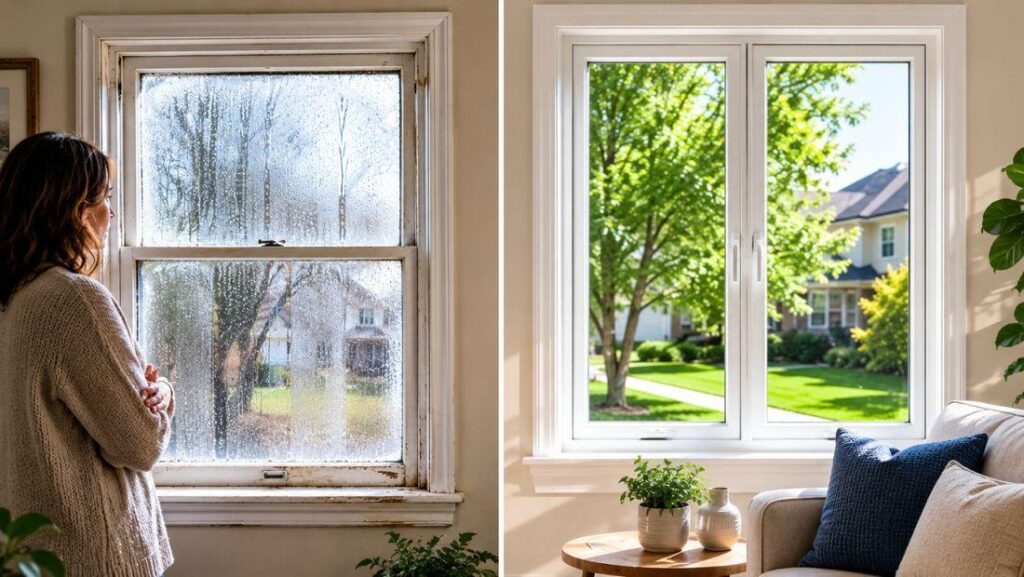
How Long Do Windows Usually Last?
Most windows last between 15 and 30 years. Still, the exact lifespan depends on several factors, including installation, maintenance, climate, and material quality. Some original windows may fail earlier because of poor installation or low-quality components.
Vinyl windows usually last 20–40 years with proper care. Meanwhile, wood windows often last 15–30 years because moisture can cause rot and frame damage. Aluminum windows generally last 20–30 years, although salt air and extreme temperatures may shorten their lifespan.
| Window Type | Average Lifespan | Maintenance Level |
| Vinyl Windows | 20–40 Years | Low Maintenance |
| Wood Windows | 15–30 Years | High Maintenance |
| Aluminum Windows | 20–30 Years | Moderate |
| Triple Pane Windows | 25–40 Years | Low Maintenance |
What Affects a Window’s Lifespan?
Several key factors affect how long windows last. Material quality, installation quality, and environmental conditions all play major roles. Even the best windows may fail early without proper installation.
Harsh sunlight, heat, moisture, and salt air can damage window frames and glass panes over time. Homes exposed to extreme temperatures often experience faster seal failure and condensation issues.
Installation Quality Matters
Poor installation often causes water intrusion, air leaks, and structural movement. These issues may shorten the life of replacement windows significantly. Water infiltration around the frame may also damage nearby walls and doors.
Proper installation helps ensure smooth operation and prevents outside air from entering the home. Correct sealing also reduces cold air drafts and improves energy efficiency year-round.
Window Material Makes a Difference
Different window materials perform differently over time. Vinyl windows remain popular because they offer low maintenance and strong energy efficiency. Replacement vinyl windows also resist moisture better than many older models.
Wood windows provide classic curb appeal and insulation. However, wood requires regular maintenance to prevent rot and water damage. Aluminum windows resist impact damage but transfer heat more easily than vinyl or wood.
Signs It’s Time to Replace Your Windows
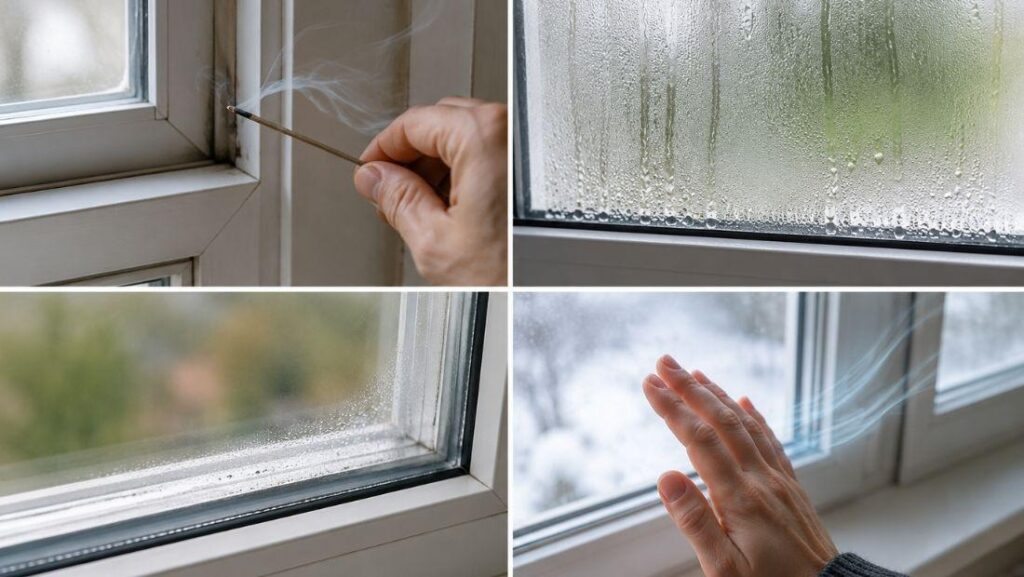
Many homeowners wait too long to replace windows. However, several warning signs often appear before complete failure occurs. Recognizing these issues early may prevent more expensive repairs later.
Drafty windows, rising energy bills, and condensation between glass panes often signal failing seals or aging windows. According to ENERGY STAR, inefficient windows may contribute to unwanted heat loss and higher cooling costs throughout the year.
Homeowners should also watch for difficulty opening windows, water intrusion around frames, and visible rot. These problems may indicate structural deterioration beyond simple cosmetic wear.
Notice Condensation Between Glass Panes
Condensation between glass panes usually means the seal has failed. Once moisture enters the panes, insulation performance drops quickly. Triple-pane glass and double-pane windows rely on airtight seals for proper insulation.
Broken seals may also increase noise pollution and allow outside air into your home. In many cases, replacement becomes the most cost-effective solution.
Difficulty Opening or Windows That Won’t Stay Open
Windows should open and close smoothly. Difficulty opening windows may indicate warped frames, balance failure, or moisture damage. Some damaged window systems may also refuse to stay open safely.
Smooth operation matters for comfort, ventilation, and emergency safety. If all your windows feel difficult to operate, it may be time to replace them.
Visible Damage Around the Frame
Visible damage often signals deeper structural issues. Rot, cracked frames, peeling finishes, and water stains may indicate long-term moisture exposure.
Damaged window frames may allow water infiltration into surrounding walls. Ignoring these problems may eventually affect other parts of the home.
Should You Repair or Replace Old Windows?
Repair sometimes makes sense for minor issues. Small hardware problems or isolated damaged glass may not require full replacement. However, older windows with recurring problems often cost more over time.
Replacement windows usually provide better energy efficiency, insulation, and long-term reliability. Modern window materials also reduce maintenance needs compared to older models.
When Repair May Be Enough
Simple repairs may help when:
- The frame remains structurally sound
- Glass damage affects only one pane
- Hardware replacement solves operational problems
Minor repairs can extend the life of current windows temporarily. However, repairs may not solve underlying insulation or moisture problems.
When Replacement Makes More Sense
Replacement may become the better investment when:
- Air leaks increase energy bills
- Water intrusion damages nearby materials
- Condensation appears frequently
- Multiple windows need repairs
New windows often improve indoor comfort and reduce long-term maintenance costs. Energy-efficient replacement windows may also improve home value and curb appeal.
Which Window Materials Last the Longest?
Some window materials naturally last longer than others. Fiberglass and vinyl generally outperform wood in harsh environments. However, installation quality still matters regardless of material.
Many homeowners choose replacement vinyl windows because they combine durability with low maintenance. Triple-pane windows also provide stronger insulation and improved comfort in colder climates.
| Material | Lifespan | Energy Efficiency | Maintenance |
| Vinyl | High | Excellent | Low |
| Wood | Moderate | Excellent | High |
| Aluminum | Moderate | Fair | Low |
| Triple Pane Glass | High | Excellent | Low |
Vinyl Windows
Vinyl windows remain one of the most popular replacement options today. They resist moisture, prevent rot, and handle environmental conditions well. Many homeowners also prefer vinyl because it requires little maintenance.
Replacement vinyl windows work especially well in humid or coastal environments. Unlike wood, vinyl will not absorb water or crack from moisture exposure.
Wood Windows
Wood windows offer timeless style and natural insulation. Many historic homes still use original windows made from wood because of their appearance and craftsmanship.
Still, wood requires regular maintenance to prevent rot and frame deterioration. Without proper care, moisture damage may shorten the window’s lifespan significantly.
Aluminum Windows
Aluminum windows provide durability and slim frame designs. These windows resist impact damage and generally work well in modern-style homes.
However, aluminum transfers heat easily and may reduce energy efficiency. Homes exposed to extreme temperatures may experience more condensation around aluminum frames.
How Energy Efficient Windows Help Your Home
Energy-efficient windows help reduce heat transfer and improve indoor comfort. Older single-pane windows often allow cold air and outside heat into the home.
Triple-pane windows and insulated glass panes improve temperature control significantly. Many homeowners notice lower energy bills after replacing aging windows.
Triple Pane Windows vs Single Pane Windows
Single-pane windows offer very little insulation. Cold air and heat pass through the glass easily, especially during seasonal weather changes.
Triple-pane windows include extra glass panes and insulating gas layers. These systems improve comfort while reducing outside noise and air leaks.
Can Poor Installation Ruin New Windows?
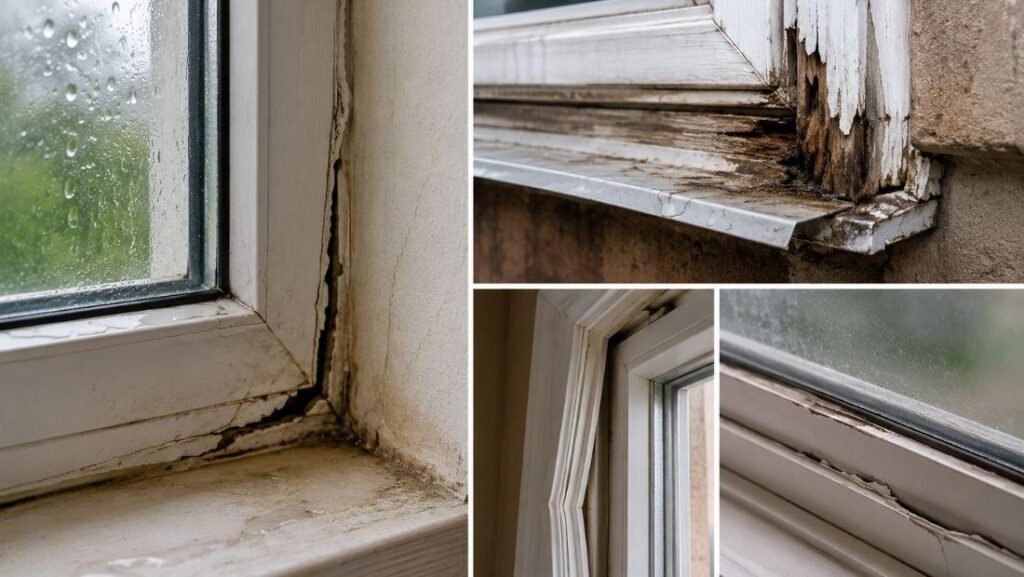
Even high-quality replacement windows may fail early because of poor installation. Improper sealing allows water infiltration, air leaks, and structural shifting around the frame.
Poor installation may also create hidden moisture problems behind walls. Over time, trapped moisture may damage insulation, framing, and interior finishes.
Common Installation Problems
Improper installation often causes:
- Water intrusion around frames
- Uneven window operation
- Drafts and outside air leaks
- Seal failure between panes
Professional installation helps ensure smooth operation and long-term performance. Proper flashing and sealing also protect nearby materials from water damage.
How to Make Windows Last Longer
Regular maintenance helps windows perform better for many years. Simple inspections and cleaning routines may prevent costly repairs later.
Homeowners should inspect seals, frames, and glass regularly. Addressing small issues early often prevents larger structural problems.
Simple Maintenance Tips
- Clean tracks and hardware regularly
- Inspect caulking yearly
- Repair damaged seals quickly
- Prevent moisture buildup indoors
- Remove dirt around window frames
Consistent maintenance helps prevent rot, condensation, and hardware failure. Proper care also improves smooth operation throughout the year.
Do Replacement Windows Increase Home Value?
Replacement windows often improve both comfort and resale appeal. Buyers usually notice old windows that show visible damage, drafts, or condensation problems.
New windows may also improve energy efficiency and modernize the home’s appearance. Updated window styles often enhance curb appeal across the entire home.
Energy Savings Matter to Buyers
Many homeowners prioritize energy-efficient upgrades today. Drafty windows and outdated single-pane windows often increase monthly utility costs.
Modern replacement windows help reduce heat loss and improve insulation. Energy savings may become a strong selling point for future buyers.
Expert Tip
Many homeowners focus only on visible damage when evaluating windows. However, hidden issues like air leaks and moisture intrusion often appear first. If your home feels drafty or energy bills continue rising, your windows may already be underperforming. Addressing these problems early may help prevent larger structural repairs later.
If you notice condensation, damaged window frames, or aging windows throughout your home, Triple J Construction Services can help determine whether repair or replacement makes the most sense for your property.