
DIY wall repair vs hiring a professional is a common decision when damage appears in your home or property. Small issues may look simple, but the wrong approach can create bigger problems later. Many people start with DIY wall repair, then realize the finish does not match the surrounding wall. Others hire professionals to avoid delays, poor results, and repeat work.
In this guide, you will learn the real difference between DIY wall repair and professional drywall repair. You will also see cost, time, and quality differences so you can make the right choice.
Why Wall Damage Should Not Be Ignored
Wall damage often starts small, but it rarely stays that way. A tiny crack or hole can spread across the entire wall over time. Moisture can also enter the damaged section and weaken the structure.
Ignoring holes in drywall can affect the look and safety of your space. Damaged drywall lowers property value and creates a poor first impression. Fixing issues early helps you avoid costly repairs and repeated touch ups later.
Types of Wall Damage You May Deal With
Wall damage can vary in size, cause, and severity, which affects how it should be repaired. Understanding the type of damage helps you decide whether DIY wall repair or professional drywall repair is the better option.
Minor Cosmetic Damage
Small holes from nail holes, screws, or picture frames are common. These are often easy to fill using spackling compound or a drywall patch.
Moderate Damage
Medium holes, cracks, or a round hole from accidental impact require more work. You may need a patch kit, drywall tape, and a second coat of joint compound.
Major Damage
Large holes, water damage, or damaged studs require full drywall repair. This may involve cutting a square piece, adding a new piece, and securing it to studs.
What DIY Wall Repair Really Involves
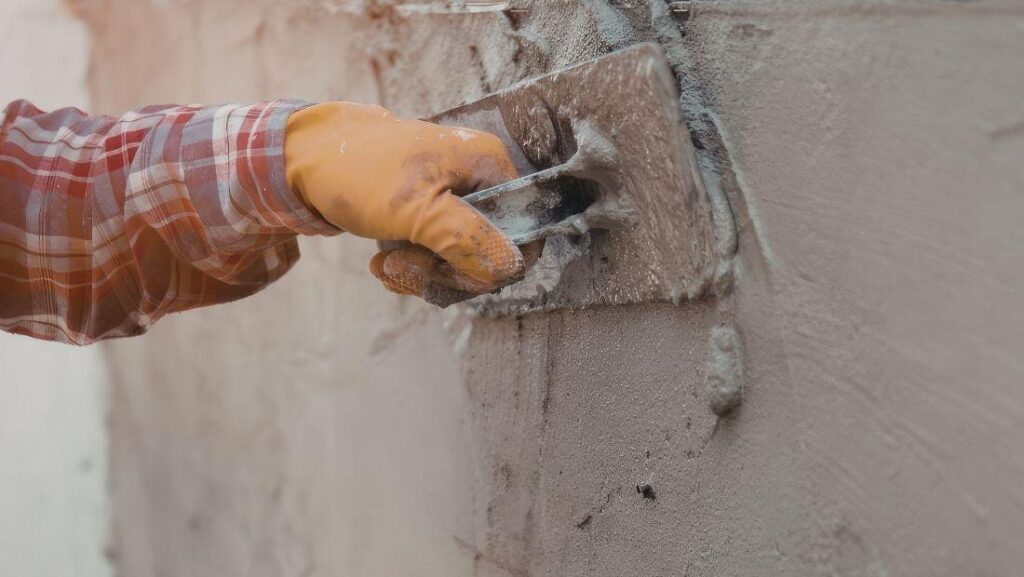
DIY wall repair includes patching drywall, sanding, and painting to restore a uniform surface. Many first-time repairs focus on small holes or minor cracks using simple tools. You will need the right tools, such as a putty knife, sanding sponge, utility knife, and tape measure. Materials include joint compound, drywall mud, paper tape, or a self-adhesive mesh patch. The process often involves applying a thin layer, letting it dry completely, then sanding until smooth.
DIY projects require patience and attention to detail. The U.S. Department of Housing and Urban Development explains that improper repair and renovation work can create large amounts of dust and debris, which can spread beyond the work area and make problems worse. Many first-time repairs fail due to uneven sanding, poor tape placement, or applying too much joint compound.
Many first-time repairs fail due to uneven sanding, poor tape placement, or applying too much joint compound. This is where most DIY repairs start to look obvious after painting. Even a small mistake during the first drywall repair can leave visible edges that show through paint and become more noticeable over time.
What a Professional Wall Repair Service Handles
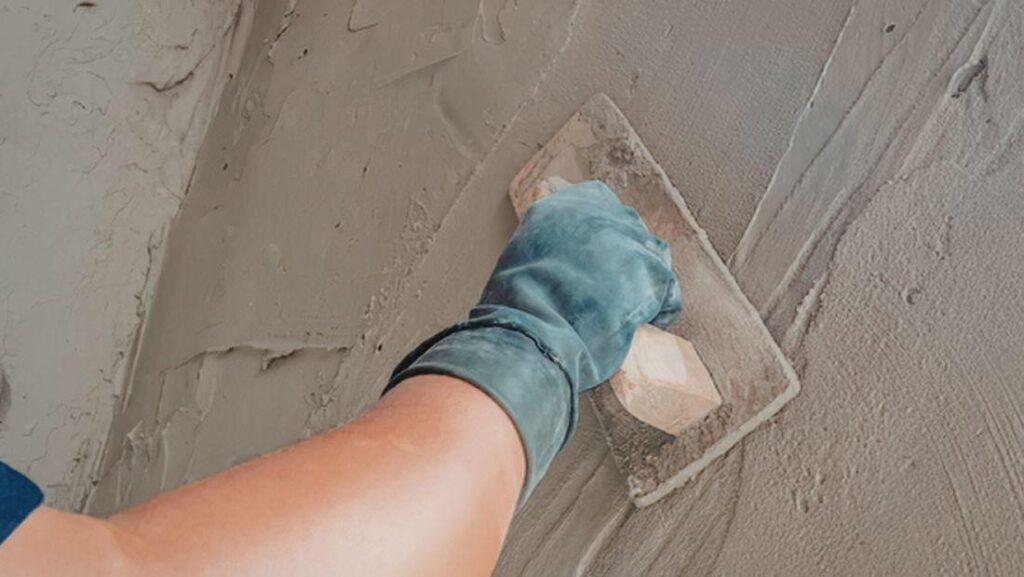
Professional drywall repair goes beyond basic drywall patching. Experts handle everything from small holes to large holes with precision and speed, reducing the risk of visible defects or repeat repairs. They prepare the existing drywall, cut a clean square, and install a new drywall piece when needed. They also use professional tools to apply joint compound in smooth layers and feather edges into the surrounding wall.
This process creates a seamless finish that blends with the whole wall. Professionals adjust texture, feather edges properly, and match the existing paint so the repair is not noticeable even under direct lighting. They also handle sanding and final finishing to create a consistent surface. Their experience reduces errors and helps the repair last longer.
DIY Wall Repair vs Hiring a Professional (Key Differences)
| Factor | DIY Wall Repair | Hiring a Professional |
| Cost | Lower upfront cost | Higher upfront cost |
| Time | Slower process | Faster turnaround |
| Quality | May vary | Consistent smooth finish |
| Risk | Higher risk of mistakes | Lower risk |
| Tools | Basic tools | Professional tools |
DIY wall repair may look cheaper at first, but mistakes can increase total costs. In many cases, time delays and rework cancel out the savings. Professional drywall repair offers better consistency and long-term results, especially for visible areas.
Cost Comparison: DIY vs Professional
DIY wall repair costs include materials like drywall patch kits, joint compound, and tools. If you do not own tools, you must buy items like a sanding sponge, putty knife, and tape. Professional drywall repair costs more upfront, but it includes labor, tools, and expertise. You also avoid spending on extra materials if mistakes happen.
Hidden costs are often ignored in DIY projects. Reapplying compound, repainting, and correcting uneven patches can quickly increase your total spend. Many homeowners end up buying extra materials or redoing the repair entirely, which reduces the initial cost advantage. Hiring a professional can reduce these risks and save money over time.
In many cases, one proper repair costs less than multiple failed DIY attempts. This is especially true when the repair requires repainting large sections or fixing previous failed patches.
Time Comparison and Project Delays
DIY wall repair takes time, especially for beginners. You must apply joint compound in layers, wait for it to dry completely, and sand between coats. This process may take several days, especially when drying time between coats is required. Mistakes can also extend the timeline, forcing you to redo sanding or reapply joint compound.
Professional repairs are faster because experts work efficiently. They use better tools and techniques to finish the job in less time. This matters more if the wall is in a visible or high-traffic area where delays are harder to manage.
Delays can affect daily routines or business operations, especially if the damaged wall is in a frequently used area like a hallway, office, or living space. Faster repairs help restore normal use of your space.
Quality Difference: Fix vs Cover
DIY wall repair often covers damage instead of fully fixing it. A patch may look smooth at first, but poor sanding or uneven compound can create slight ridges. These imperfections become visible after the paint dries, especially under natural light or at certain angles.
Professional drywall repair focuses on restoring the wall completely. Experts apply joint compound in thin layers and feather it into the surrounding wall. They sand each coat to create a flat and smooth surface.
The difference becomes clear after painting, when uneven patches, lines, or texture mismatches start to stand out. DIY repairs may show lines, bumps, or uneven areas. Professional repairs deliver a seamless finish that blends with the entire patch and surrounding surface, making the repair almost impossible to detect.
When DIY Wall Repair Makes Sense
DIY wall repair makes sense when the damage is small and easy to manage without advanced tools. It is a practical option if you have time, basic skills, and want to handle minor fixes on your own.
Good Scenarios for DIY
- Small holes or nail holes
- Minor cracks in low-visibility areas
- Quick fixes with no strict timeline
DIY wall repair works best when damage is minimal and easy to control, and when you are not concerned about achieving a perfect finish. If you have the right tools and time, you can handle basic repairs without major issues.
When You Should Hire a Professional
You should hire a professional when the damage is too large, complex, or visible to fix properly on your own. Professional drywall repair helps you avoid mistakes and get a clean, long-lasting finish.
High-Risk Situations
- Large holes or damaged drywall sections
- Water damage or soft drywall paper
- Visible areas that require a smooth finish
- Rental or business properties
Professional drywall repair is the better option when quality matters. This is especially important for visible areas where even small imperfections stand out. Hiring experts helps avoid repeated repairs and ensures a long-lasting result.
Common DIY Mistakes That Cost More Later
Many DIY wall repair projects fail due to simple mistakes. These errors often lead to more repairs and higher costs.
- Applying too much compound instead of a thin layer
- Skipping sanding between coats
- Using the wrong drywall tape or joint tape
- Not feathering edges into the surrounding wall
- Painting before the patch dries completely
Each mistake affects the final finish. Poorly patched drywall work can lead to visible lines, uneven surfaces, or weak patches that crack over time. In many cases, the entire section must be removed and repaired again from the start.
Impact on Property Value and Business Image
Wall condition affects how people view your space. Damaged or poorly repaired drywall creates a negative impression. Smooth, clean walls improve the overall look of a property, while visible patches, uneven paint, or poorly repaired drywall can make a space feel neglected and reduce buyer or customer confidence.
This is important for homes, offices, and commercial spaces. A professional drywall repair helps maintain a polished and well-maintained appearance. Better wall condition also supports property value. Clean repairs show that the space is properly maintained.
Final Decision Guide
Choosing between DIY wall repair and hiring a professional depends on the size of the damage, your time, and the result you expect. The key difference is whether you are willing to risk visible imperfections or prefer a guaranteed, long-lasting finish. This quick guide will help you decide which option fits your situation best.
Choose DIY if:
- You are fixing small holes or minor cracks
- You have time for multiple coats and sanding
- The area is not highly visible
Hire a professional if:
- The damage involves large holes or a damaged section
- You need a seamless finish across the whole wall
- You want the repair done quickly and correctly
Conclusion
Choosing between DIY wall repair and hiring a professional comes down to the size of the damage, your time, and the quality you expect. Small fixes can work with DIY, but larger or visible repairs often require proper drywall repair to avoid repeat work, uneven surfaces, and added costs later. Making the right choice early helps protect your property, avoid repeated repairs, and keep your walls looking clean and consistent over time.
At Triple J Construction Services, we handle drywall repair the right way from start to finish. Our team focuses on clean, smooth, and long-lasting results so you do not deal with rework or delays. If you are dealing with wall damage and want it fixed properly the first time, contact us today and let us take care of it for you.