

Stormwater retention ponds are crucial for urban and commercial stormwater management. They capture and manage stormwater runoff, reduce flooding, and improve water quality by filtering out pollutants. These ponds are essential in preventing water damage and protecting the surrounding environment, while also enhancing property value by managing rainwater efficiently. Following best practices for stormwater retention pond maintenance is vital to ensuring their long-term effectiveness. This helps maintain their functionality and prevent costly repairs.
Regular retention pond maintenance is key to ensuring these ponds function effectively. Proper care, such as sediment removal and vegetation management, keeps ponds clean, prevents clogs, and maintains their ability to manage stormwater runoff. This guide covers best practices to help keep your retention pond well-maintained, protecting both the environment and your property investment.
Why Retention Pond Care Matters for Businesses
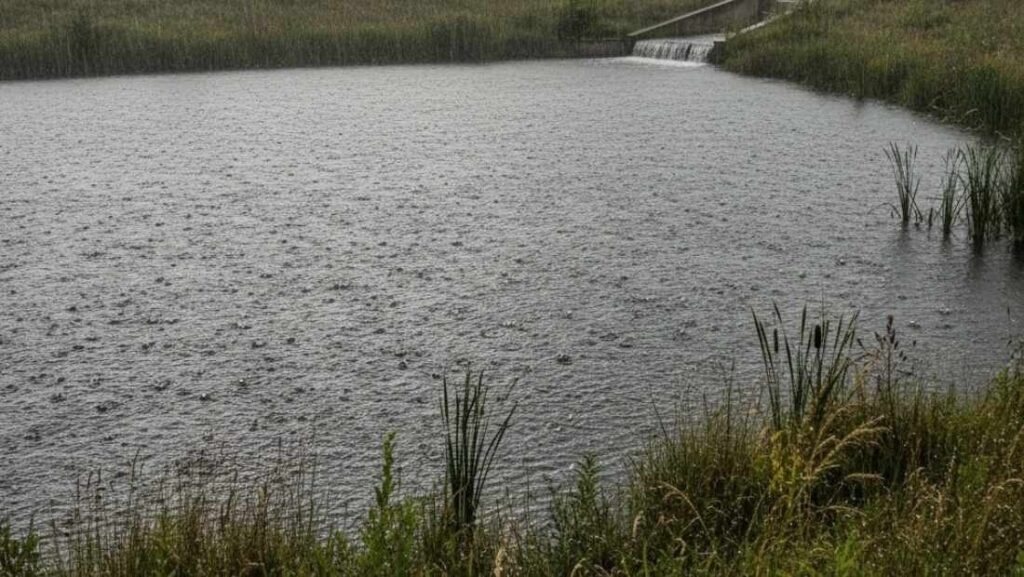
Commercial properties, including parking lots, roadways, and constructed areas, often contribute to increased impervious surfaces, which in turn increase stormwater runoff. This runoff can carry pollutants such as oil, trash, fertilizers, and pesticides into local water bodies. Retention ponds are designed to capture this runoff, filter out pollutants, and manage water flow. However, if these ponds are not properly maintained, they can become ineffective, leading to flooding, erosion, and expensive repairs.
In addition to preventing flooding and erosion, well-maintained retention ponds protect the surrounding land and ecosystem health. They improve water quality by removing pollutants like sediment, nutrients, and toxins, while also providing habitats for wildlife. Regular inspections and maintenance ensure that your retention pond continues to function effectively, minimizing the risk of downstream flooding and protecting your investment.
Key Components of a Stormwater Retention Pond
To ensure proper maintenance, it’s important to understand the key components of a stormwater pond:
- Sediment Forebay: This is the area where sediment collects before it enters the main pond. Sediment buildup can reduce the pond’s capacity, leading to flooding and the potential for clogged outlet structures.
- Permanent Pool: This is the area where water is retained after a rain event. It helps maintain water levels, supports vegetation, and provides a habitat for fish and other wildlife.
- Outlet Structures: These control the discharge of water from the pond. This ensures that water is released in a controlled manner to avoid downstream erosion and flooding.
- Vegetation: Plants help to filter runoff, reduce erosion, and provide biodiversity. Native plants are preferred for their low maintenance and ability to thrive in stormwater environments.
Inspection Checklist for Retention Pond Maintenance
Routine maintenance is crucial for ensuring that retention ponds continue to function effectively. Here’s an inspection checklist for property managers and owners:
| Maintenance Task | Frequency | Notes |
| Inspect for Sediment Buildup | Annually | Remove accumulated sediment to restore capacity |
| Vegetation Health | Biannually | Remove invasive plants and ensure healthy growth |
| Trash and Debris Removal | Quarterly | Clear debris to prevent clogging of outlet structures |
| Inspect Outlet Structures | Semi-Annually | Ensure that outlet structures are clear and functioning |
| Check for Erosion | Annually | Look for signs of bank erosion or water damage |
| Wet Pond-Specific Maintenance | As Required | Follow wet pond-specific tasks (outlined below) |
Wet Pond-Specific Maintenance Tasks
For wet ponds, regular attention is needed to maintain the pond’s effectiveness:
- Once, after the first year: Check for 50% plant survival in the littoral zone and remove invasive plants.
- Monthly to Quarterly, or After Major Storms: Inspect orifices and pipes for clogging; remove debris and repair erosion spots.
- Semiannual to Annual: Monitor wetland plant health and mechanical components, ensure proper functioning, and clean up trash.
- Every 1–3 Years: Inspect all mechanical components, including pipes and risers, and remove sediment from the facility and forebay if necessary.
Sediment and Debris Removal Techniques
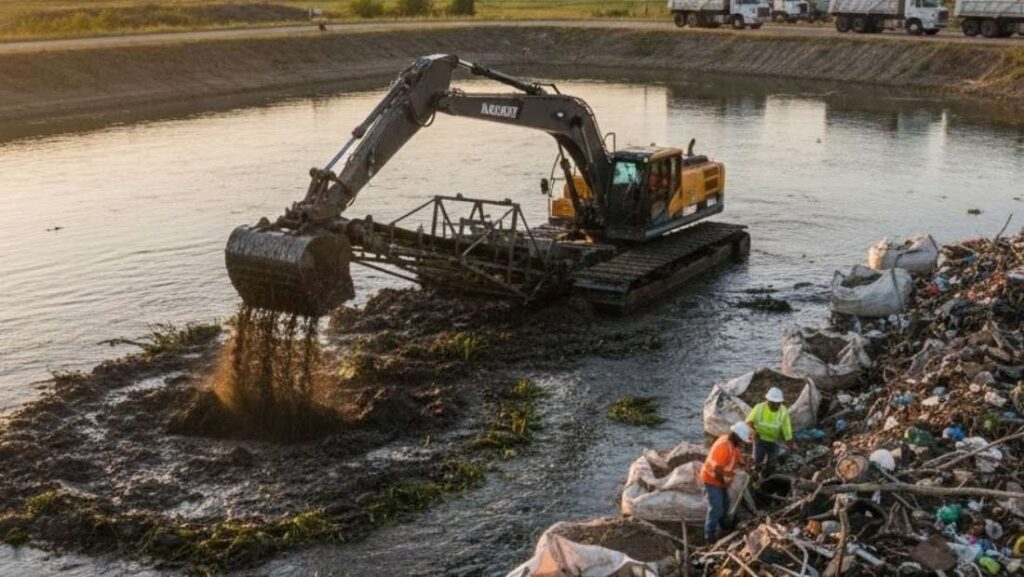
One of the most critical aspects of stormwater retention pond maintenance is the removal of sediment and debris. Sediment can accumulate over time, reducing the pond’s capacity and effectiveness. The removal of it helps restore water flow and prevent flooding.
Sediment Removal Methods
- Dredging: For deeper ponds or significant sediment buildup, dredging removes large amounts of sediment, ensuring the pond can hold large volumes of water.
- Vacuuming: A less invasive method for removing accumulated sediment from shallow ponds or forebays.
- Manual Removal: In some cases, manual removal of sediment may be necessary in smaller, more accessible ponds.
In addition to sediment removal, it’s important to clear debris such as leaves, sticks, and trash that can block water flow and clog outlet structures. This regular maintenance helps ensure that the pond remains efficient in managing stormwater runoff.
Vegetation Management for Healthy Ponds
Proper vegetation management is vital for the overall health of the stormwater pond. Vegetation plays a key role in stabilizing pond banks, preventing erosion, and filtering pollutants from incoming rainwater.
Vegetation Maintenance Tips
- Mowing: Regularly mow around the pond to control unwanted weeds and grasses.
- Invasive Species Control: Remove invasive species that can disrupt the local ecosystem and outcompete native plants.
- Native Plant Selection: Use native plants that are well-suited for stormwater environments. These plants help with pollutant removal, improve water quality, and require less maintenance.
By maintaining healthy vegetation, you can improve the ecosystem within the pond and ensure better filtration of runoff.
When to Call in Professional Maintenance Services
While routine inspections and maintenance tasks can often be performed by property managers, there are times when it’s necessary to call in professional maintenance services. These professionals have the expertise and equipment to handle more complex tasks, such as sediment removal from deep ponds or the repair of outlet structures.
Hiring professionals ensures that the maintenance is performed thoroughly and in compliance with local regulations. They can also help extend the life of the pond by providing expert advice on long-term care and potential upgrades.
The Cost of Maintaining a Retention Pond
The cost of maintaining a stormwater retention pond depends on several factors, including the size of the pond, the extent of sediment buildup, and the need for professional services. However, regular maintenance can help reduce long-term costs by preventing expensive repairs and flooding damage.
Cost Breakdown
- Routine Inspections: Typically, property managers can perform these inspections at minimal cost.
- Sediment Removal: Depending on the extent of the buildup, this can range from $500 to $3,000 or more.
- Vegetation Maintenance: Regular mowing and invasive species control typically cost between $100 and $500 per year.
- Professional Maintenance Services: For larger or more complex ponds, professional services can cost anywhere from $2,000 to $10,000 annually.
Investing in routine maintenance and professional services can save significant amounts of money by preventing costly flooding and erosion problems.
Long-Term Maintenance Planning for Stormwater Ponds
A well-designed maintenance plan ensures that your retention pond continues to function efficiently for many years. Regular inspections, sediment removal, and vegetation management should be scheduled in advance, helping to avoid costly repairs and extending the lifespan of the pond.
Consider the following when creating a long-term maintenance plan:
- Maintenance Frequency: Determine how often each task needs to be performed, based on the size and condition of the pond.
- Budgeting: Set aside funds for ongoing maintenance and potential repairs.
- Compliance: Ensure that your maintenance plan complies with local stormwater regulations to avoid fines.
By implementing a long-term plan, you can ensure that your retention pond remains a functional and cost-effective solution for managing stormwater runoff.

Conclusion
Stormwater retention ponds are essential for managing stormwater runoff, preventing flooding, and protecting the surrounding ecosystem. By following best practices for retention pond maintenance, such as sediment removal, vegetation management, and regular inspections, you can ensure that your pond continues to provide long-term benefits for your property.
At Triple J Construction Services, we specialize in providing expert retention pond maintenance to ensure your pond functions at its best. Our team is committed to improving water quality, protecting your property from expensive repairs, and maintaining the overall health of your ecosystem. Contact us today to schedule a consultation and keep your stormwater pond in optimal condition.