

Knowing when to patch drywall and when to replace drywall is essential for maintaining both the structural integrity and aesthetic appeal of your property. If the damage is minor, such as small holes or cracks, patching is usually sufficient. However, for larger holes, water damage, or structural concerns, replacement is the best solution. The decision depends on the extent of the damage, whether you’re doing the repairs yourself or hiring a professional, as it can save both time and money in the long run.
In this guide, we’ll walk you through the signs and steps to determine if your drywall needs a patch or complete replacement. Understanding these options will ensure that your repairs are not only effective but also professional-looking in the long run.
What Is Drywall Patching?
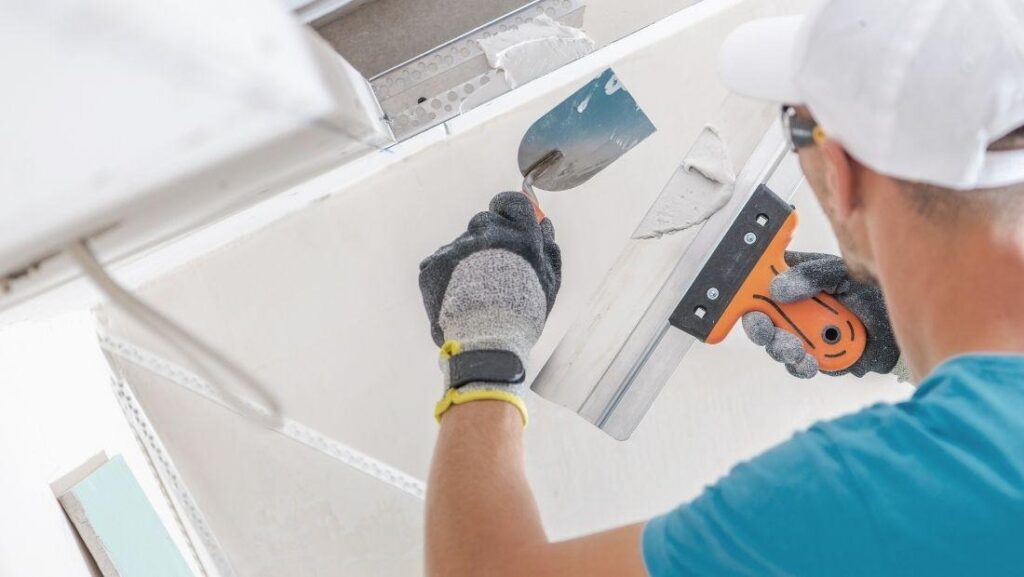
Patching drywall is a cost-effective and simple method for fixing minor damage such as small holes, cracks, and dents. It involves filling the damaged area with a drywall compound, like joint compound, to restore the wall’s surface. This technique works well for small holes (less than a few inches) and provides a seamless finish without needing a full replacement.
For more extensive damage, patching can still be an effective solution, as long as the damage is not compromising the structural integrity of the wall. The process typically involves applying a thin layer of compound, sanding it smooth, and painting over it to blend with the surrounding surface.
Tools You’ll Need for Patching Drywall:
- Utility knife or drywall knife to cut the damaged area.
- Putty knife or wide putty knife for applying joint compound.
- Self-adhesive mesh patch for medium holes.
- Sanding sponge or sanding block for smooth finishing.
- Paint brush for final touch-ups.
What Is Drywall Replacement?
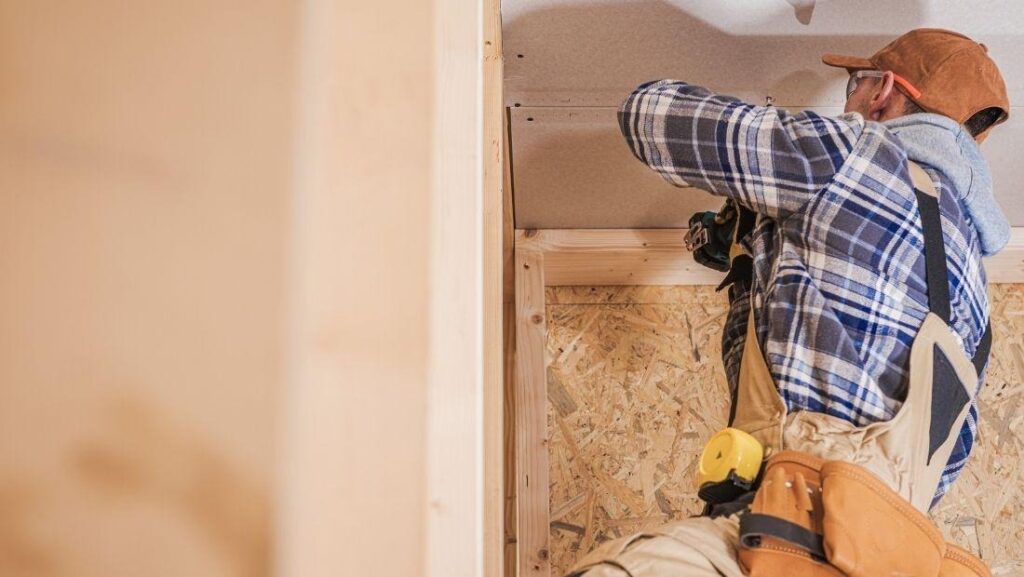
When the damage to your drywall surface is extensive, replacing drywall becomes necessary. This is often the case with large holes, water damage, mold growth, or other structural issues that cannot be repaired effectively through patching. Replacing drywall involves removing the damaged section, fixing any underlying problems, and installing a new piece of drywall.
Replacement is ideal for areas that have suffered severe moisture damage, leading to mold or structural weakness in the drywall. It also ensures that your walls are properly reinforced for long-term durability, especially in areas of high traffic or critical zones like bathrooms or kitchens.
What Key Factors to Consider When Deciding to Patch Dor Replace Drywall
When deciding whether to patch or replace drywall, consider the extent of the damage and its cause. Factors like damage size, type, and location will determine the most effective solution for your space.
1. Size of Damage
The extent of the damage plays a major role in your decision to either patch drywall or replace it.
- Patch small holes or cracks, usually up to 4 inches.
- Medium holes (between 4 and 8 inches) can often be patched if the damage is not too severe.
- For large holes (over 8 inches) or holes that compromise structural integrity, replacement is the best option.
| Damage Size | Patching Option |
| Small (< 4″) | Patch Small Holes |
| Medium (4″-8″) | Patch with a drywall patch kit or consider replacement |
| Large (> 8″) | Replace Entire Section |
2. Type of Damage
Not all drywall damage is the same. The type of damage will guide you toward the right solution.
- Superficial Damage: Small holes, cracks, or nicks that don’t penetrate the drywall too deeply are ideal for patching.
- Water Damage: If water has soaked into the drywall, it can weaken the structure, causing sagging or mold to form. In this case, you may need to replace the drywall.
- Moisture or Mold: If mold is present, it’s important to replace drywall. Even small holes in a mold-infested area should not be patched. Mold can grow behind drywall, making it impossible to fully remove through patching alone.
3. Moisture and Mold Concerns
Water or moisture issues are common causes of drywall damage. If you have water stains or moldy drywall, patching holes will not fix the root problem. It’s important to address the source of moisture first, and then you can either patch or replace the drywall, depending on the severity of the damage.
According to the Environmental Protection Agency (EPA), moisture problems not only damage drywall physically but also lead to mold growth. Mold can start to develop rapidly, often within 24–48 hours after water damage if conditions remain damp. It’s crucial to take immediate action to prevent the mold from spreading, and in these cases, replacing the drywall may be necessary to avoid health risks and further damage.
For instance:
- Water Stains: If there are small areas of staining, patching the hole with drywall compound and then repainting might suffice.
- Mold: If there is extensive mold growth, replace drywall to ensure your walls remain safe and free from potential health hazards.
Step-by-Step Guide: How to Patch Small Holes
If the damage is minimal, you can easily handle the drywall patching process yourself. Here’s a step-by-step guide to fix small holes using basic tools.
Step 1: Clean the Damaged Area
Use a utility knife to remove any loose drywall or debris from around the hole. This will ensure a solid surface for the patch.
Step 2: Apply the Patch
For small holes, you can use a spackling compound or lightweight joint compound. Apply a thin coat over the hole and allow it to dry.
Step 3: Smooth the Surface
Once the first coat is dry, use a sanding block to sand lightly over the area, ensuring a smooth, even surface. For larger patches, apply a second coat of joint compound to fill in any imperfections. Sand again once it’s dry.
Step 4: Final Touches
After the drywall compound has fully dried and cured, finish the patch by painting the area to match the surrounding wall. Use a paintbrush for a seamless finish.
When to Replace Drywall
Sometimes, patching holes just isn’t enough, especially when the damage is too large or when underlying structural issues are present. Here’s when you should replace drywall:
- Large Holes: Anything over 8 inches typically requires a new piece of drywall.
- Moisture Damage: If water has affected a large area of drywall or if mold is present, replacing drywall is necessary to prevent further damage and health concerns.
- Severe Cracks: Deep cracks or bulging drywall that affect structural integrity must be replaced.
- Old Drywall: In homes or buildings where the drywall is old and brittle, patching may not provide the long-lasting results you need.
Tools You Need for Drywall Replacement
Replacing drywall requires the right tools and materials. Here’s a list of what you’ll need:
- A utility knife or drywall knife for cutting the drywall.
- Drywall lift to hold the new piece of drywall in place.
- Screws or nails to secure the drywall to the studs.
- Drywall tape to prevent cracks at the seams.
- Joint compound for finishing the edges.
Cost Comparison: Patching vs. Replacing Drywall
| Process | Cost Estimate (Per Square Foot) |
| Patching (Small Holes) | $1–$2 |
| Patching (Large Holes) | $2–$4 |
| Replacing Drywall | $2–$5 |
While patching is generally cheaper and quicker, replacing drywall guarantees that you’ve fixed the problem thoroughly, ensuring long-term durability.
When to Hire a Professional
For larger patches or situations involving water damage, mold, or structural issues, it’s best to hire a professional drywall contractor. Professionals have the expertise and tools necessary to handle extensive drywall replacement, ensuring professional-looking results. This is especially crucial for commercial properties that need to adhere to building codes and safety standards.
Conclusion
Deciding whether to patch drywall or replace it depends on the extent of the damage, the cause, and the location of the affected area. Small holes and superficial damage can often be easily patched with drywall compound, offering a quick and cost-effective solution. However, for larger holes, water damage, mold, or structural issues, replacement is the better long-term option, ensuring durability and safety. Whether you choose to handle repairs yourself or hire a professional, understanding when to patch vs replace can save time, money, and frustration.
At Triple J Construction Services, we specialize in high-quality drywall repairs and replacements, ensuring your property remains in top condition. Whether you’re dealing with minor drywall damage or need a complete replacement in Florida and Alabama, our team of professionals is here to help. Contact us today for a consultation, and let us provide the expert drywall services you need to keep your space safe and looking great.