

Cracks in walls are one of the most common issues property owners notice in buildings. They appear in homes, offices, warehouses, and commercial spaces of all sizes. Some cracks are harmless and expected over time, while others may signal deeper structural issues. Understanding what causes cracks in walls helps property owners decide which cracks are minor, which require monitoring, and which need immediate professional attention.
Not all cracks mean structural failure. Many cracks form as buildings respond to natural movement, temperature changes, and material behavior. However, ignoring the wrong type of crack can lead to further damage, safety concerns, and expensive repairs. This guide explains the most common causes of wall cracks, how to identify different crack patterns, and when professional evaluation is necessary.
Why Cracks Appear in Most Buildings
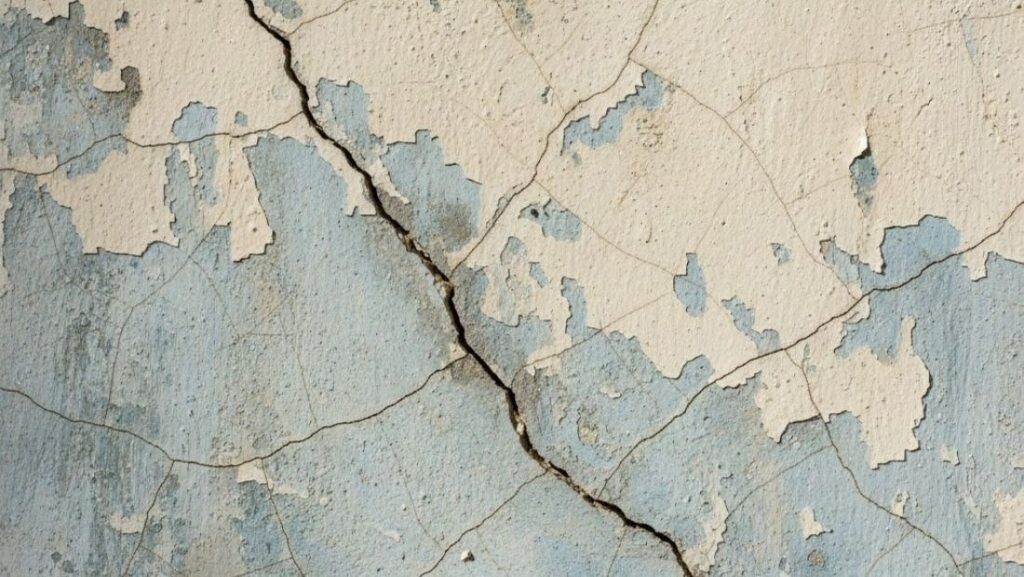
Most buildings experience movement throughout their lifespan. This movement occurs even when high quality materials and proper construction methods are used. A building constantly responds to gravity, structural load, moisture changes, temperature fluctuations, and soil conditions beneath the building’s foundation.
As these forces act on the structure, stress concentrates at certain points. Cracks often appear where walls meet ceilings, near door frames, around windows, or along joints. When materials can no longer absorb stress, cracks appear. Not all cracks indicate structural damage, but understanding their cause is essential to protecting structural integrity.
Types of Wall Cracks and What They Usually Mean
Crack patterns offer valuable clues about their cause. Identifying the type of crack helps determine whether it is cosmetic or related to structural issues.
Hairline Cracks
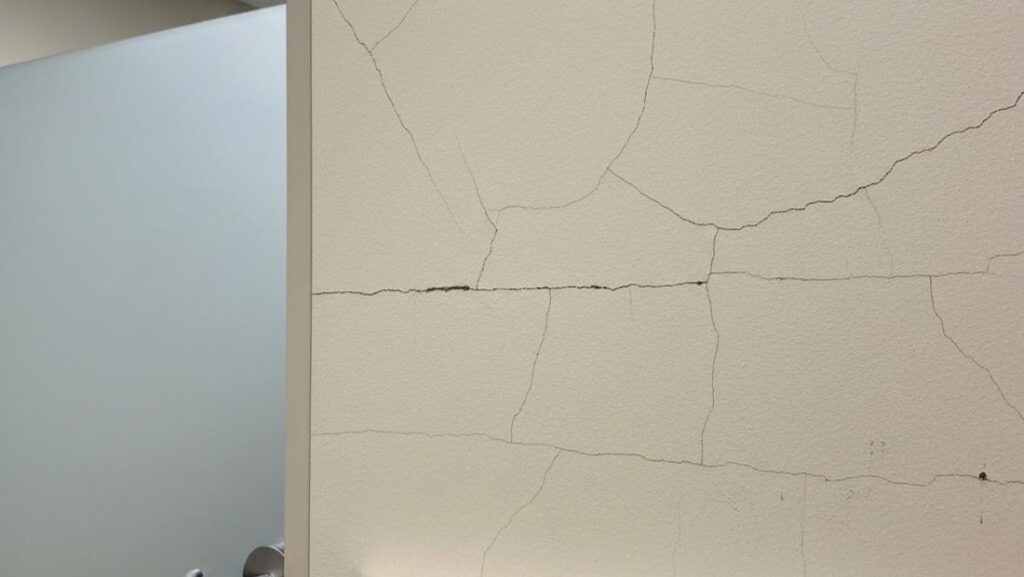
Hairline cracks are thin surface lines that commonly appear in drywall or plaster. They often form due to normal house settling, drying materials, or seasonal temperature variations. Changes in humidity levels and minor movement in joint compound or drywall tape can also cause hairline cracks. These cracks are considered minor cracks and are usually cosmetic. They are easily repaired and rarely affect structural integrity.
Vertical Cracks
Vertical cracks run straight up and down a wall and are common in both interior walls and exterior walls. They often result from normal house settling, minor foundation settlement, or material shrinkage. Vertical cracks that remain narrow typically do not indicate serious structural problems. However, if vertical cracks widen or continue growing, they may suggest foundation issues that require monitoring.
Horizontal Cracks
Horizontal cracks are more concerning than vertical cracks. They often indicate pressure acting against a wall, especially a foundation wall. Poor drainage, expansive soil, high moisture content, or hydrostatic pressure can push against a concrete foundation wall and cause horizontal cracks. Horizontal cracks may signal foundation damage and should receive immediate attention.
Diagonal Cracks
Diagonal cracks often appear near doors, windows, or corners. These cracks commonly form due to uneven settling, differential settlement, or structural movement around openings. If diagonal cracks continue growing or appear alongside uneven floors or door frame misalignment, they may point to structural issues beneath the building.
Stair Step Cracks
Stair step cracks appear in brick or block walls and follow mortar joints in a stepped pattern. These cracks are commonly associated with foundation settlement or uneven settling of the structure. Stair-step cracks often indicate foundation problems and should not be ignored, especially if they increase in size.
Normal Building Movement and Minor Cracks
Normal house settling occurs as a building adjusts after construction and the foundation settles into the soil beneath. This natural movement often causes small cracks in walls or ceilings, especially during the first few years.
Moisture changes, seasonal temperature variations, and material curing all contribute to this process. Minor cracks from settling usually remain small, do not grow quickly, and do not affect structural integrity, making them common and typically cosmetic.
Foundation Settlement and Structural Movement
Foundation settlement is one of the most significant causes of cracks appearing in walls. It occurs when soil beneath the building’s foundation compresses, shifts, or changes moisture levels. When soil settles unevenly, the structure above experiences stress.
Soil that is not adequately compacted, expansive soil that swells with moisture, poor drainage, or leaks near the foundation can all contribute to foundation settlement. Structural movement caused by foundation settlement often leads to diagonal cracks, stair-step cracks, and cracks appearing near load-bearing areas.
Differential Settlement
Differential settlement occurs when one portion of the foundation settles more than another. This uneven movement places stress on the structure and often results in structural cracks. Signs of differential settlement include cracks wider at one end, uneven floors, sticking doors, and separation where walls meet ceilings. Differential settlement often requires foundation repair to prevent severe structural damage.
Foundation Wall Cracks and Structural Integrity
Cracks in a foundation wall require careful evaluation because the foundation supports the entire building. A concrete foundation wall may crack due to shrinkage during curing, moisture pressure, expansive soil, or structural load stress.
Small vertical cracks in a concrete foundation wall may be cosmetic, but horizontal cracks or cracks that widen over time can indicate foundation damage. These cracks may compromise structural integrity and should be assessed by a professional.
Moisture, Water, and Plumbing Issues
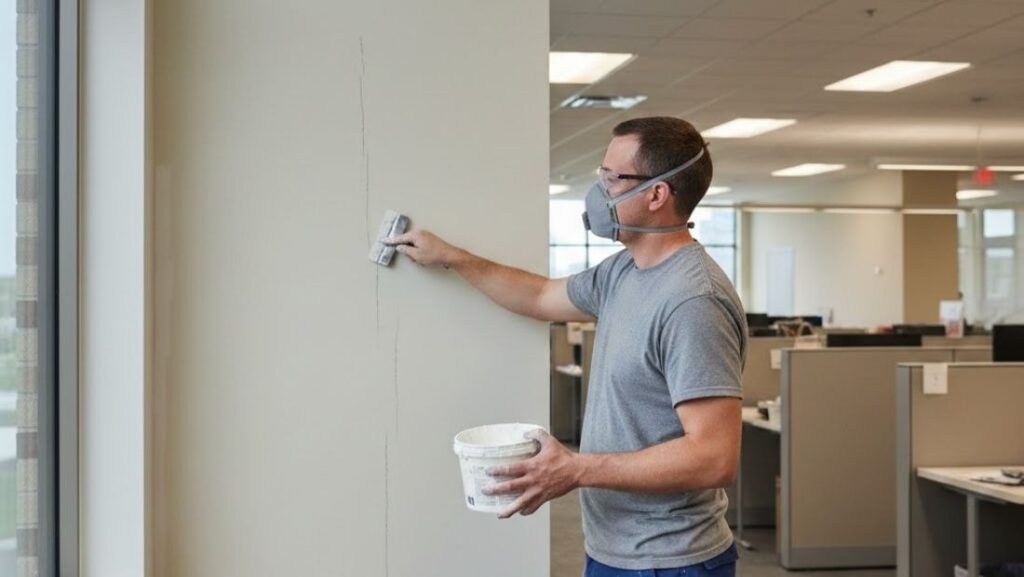
Moisture is a major factor in cracked walls and foundation issues. Water changes soil behavior and weakens building materials over time. Poor drainage, plumbing issues, roof leaks, and groundwater buildup can introduce moisture into wall systems and the soil beneath the foundation.
Leaks near the building’s foundation increase pressure on foundation walls and contribute to uneven settling. Inside the building, moisture can weaken drywall and plaster, making them more prone to cracks. Moisture-related cracks often worsen if the underlying water source is not addressed.
Temperature Changes and Material Expansion
Temperature fluctuations affect all buildings. Materials expand when temperatures rise and contract when temperatures drop. Seasonal temperature variations create repeated stress cycles within the structure. Over time, this stress leads to cracks forming at weak points, especially near joints and corners.
Cracks caused by temperature changes often appear as small cracks in drywall or plaster. While these cracks are usually cosmetic, they may reappear if temperature fluctuations remain extreme or frequent.
Poor Construction and Improper Installation
Some cracks result from construction-related issues rather than natural movement. Improper installation, poor quality materials, or rushed workmanship can create weak points within walls. Incorrect drywall installation, insufficient framing support, or improper use of drywall tape and joint compound often lead to early cracking.
Low-grade materials tend to shrink, absorb moisture unevenly, and fail under stress. Using high quality materials and proper installation techniques improves long-term durability and reduces cracking.
External Forces and Environmental Factors
External factors also contribute to cracked walls. Tree roots near the building can draw moisture from the soil, causing uneven settling. Nearby construction, heavy machinery vibration, and changes to landscaping can disturb soil stability.
Soil erosion or changes in grading can also affect the building’s foundation. These external forces may not cause immediate damage, but over time, they can lead to structural problems.
Are Wall Cracks Normal or Serious?
Wall cracks are common, but not all wall cracks are serious. Many cracks result from normal house settling, temperature changes, or minor material movement. Hairline cracks and small surface cracks in drywall or plaster are usually cosmetic and easily repaired.
Wall cracks become serious when they change over time or appear alongside other warning signs. Cracks wider than before, horizontal cracks, stair step cracks, or cracks accompanied by uneven floors or door frame issues may indicate structural damage. While not all cracks signal danger, cracks that grow, spread, or repeat should be evaluated to prevent further damage.
Structural Cracks vs Cosmetic Cracks
Not all cracks have the same meaning or level of risk. Understanding the difference between cosmetic cracks and structural cracks helps determine whether a repair is simple or requires professional evaluation.
| Cosmetic Cracks | Structural Cracks |
| Affect surface materials only and do not impact the building’s structure. | Affect the building’s structure or foundation and may compromise structural integrity. |
| Commonly appear as hairline cracks or small cracks in drywall or plaster. | Often appear as horizontal cracks, stair step cracks, or widening diagonal cracks. |
| Typically remain stable and do not change significantly over time. | Tend to grow, widen, or spread as structural movement continues. |
| Often caused by normal house settling, temperature changes, or material shrinkage. | Commonly caused by foundation settlement, uneven settling, or foundation problems. |
| Usually repaired with joint compound, drywall tape, and proper finishing techniques. | Often require professional assessment and may involve foundation repair or structural reinforcement. |
What Causes Drywall Holes and Dents?
Drywall holes and dents differ from most wall cracks because they usually result from impact rather than structural movement. Drywall holes commonly occur when furniture, doors, or equipment strike interior walls. High-traffic areas are especially prone to this type of damage.
Improper installation can also make drywall more vulnerable. Thin panels, weak backing, or poor fastening may cause drywall to fail under normal use. While drywall holes are usually cosmetic and easily repaired, repeated damage may indicate the need for stronger materials or better wall protection.
Water Damage on Walls: How It Affects Your Home
Water damage on walls is one of the most serious contributors to cracked walls and structural deterioration. Moisture entering wall systems through leaks or poor drainage weakens materials and increases stress. Early signs of water damage on walls include discoloration, bubbling paint, soft drywall, and cracks appearing or worsening.
Excess moisture also affects the soil beneath the building’s foundation. Increased moisture content can cause soil expansion, leading to foundation settlement or uneven settling. Over time, water damage can lead to structural damage, mold growth, and costly repairs. Addressing moisture issues early helps preserve structural integrity and prevent foundation problems.
Why Early Action Matters
Ignoring cracks can allow minor issues to become serious structural problems. Small cracks may grow into a large crack pattern that affects structural integrity. Early evaluation limits repair costs and protects the building’s structure.
Concusion
Cracks in walls are common, but their significance depends on the cause, location, and how they change over time. Some cracks are cosmetic and result from normal house settling or temperature changes, while others point to foundation settlement, moisture issues, or structural movement. Identifying the cause early helps prevent further damage and costly repairs.
At Triple J Construction Services, we assess wall cracks to determine whether they are cosmetic or signs of deeper structural issues. Our team provides clear evaluations and practical repair solutions tailored to your building’s needs. If you’ve noticed cracks in your walls, contact us today to schedule an evaluation and address potential issues early.