

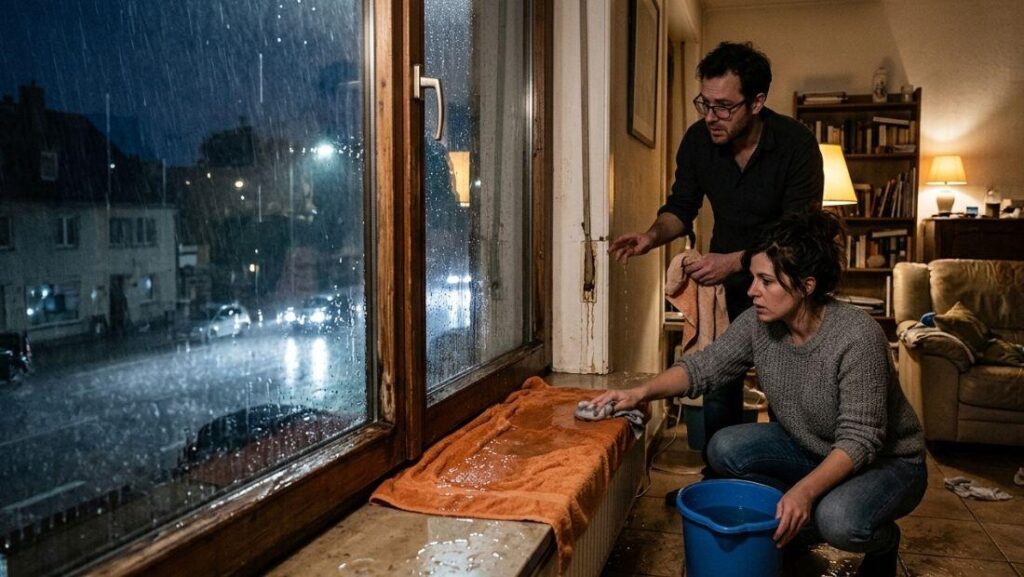
Why do windows leak when it rains? The short answer is that water finds its way through weak points around the window, such as failed seals, damaged flashing, or poor installation. Heavy rain and strong winds can force water into small gaps, leading to water intrusion around the window frame or wall. When these protective layers break down, even a well-built house can experience leaks.
Many homeowners notice this problem after a storm hits hard. Water should stay outside, yet leaks still happen when parts fail. If you see water coming in, it often signals a deeper issue around the window or wall. Fixing it early helps protect your house from water damage and costly repairs. If your windows are already leaking, it is best to have them checked right away. You can contact Triple J Construction Services to inspect the issue and provide the right fix before the damage spreads.
What Causes Windows to Leak During Rain
Water enters when something breaks down around the window system. This includes failed seals, poor installation, or damaged flashing. Rain itself is not the issue. Instead, it exposes weak points where water intrusion can happen.
Pressure from heavy rain and strong winds can force water into small gaps. Once water infiltration starts, it can spread behind the wall and cause moisture damage. The root cause often sits around the window frames or exterior layers, not just the glass.
Common Causes of Window Leaks
Several factors lead to leaking windows. Each one affects how well the window protects your home from rain and moisture.
Failed Caulking and Seal Breakdown
Over time, caulk dries, cracks, and pulls away from the frame. These small gaps allow water to pass through during heavy rain. Once the seal breaks, water leakage becomes more likely with every storm.
Older windows often show this issue first. Regular maintenance helps prevent future window leaks, but many homeowners miss early signs until water stains appear.
Poor Installation or Gaps Around the Window
Improper installation leaves openings around the window flange. These gaps allow water infiltration during wind-driven rain. Even a small mistake during setup can lead to major leaks later.
Water can move behind the siding and enter the wall structure. This type of problem often requires professional repair, not just surface fixes.
Damaged or Missing Flashing
Flashing directs water away from the window and exterior wall. If flashing tape, drip cap, or head flashing fails, water can reach the interior.
Leaks near the top of the window often point to flashing issues. Without proper protection, water moves down into the wall and causes structural decay.
Clogged Weep Holes and Drainage Issues
Most modern windows include weep holes and drainage channels. These allow water to escape before it builds up.
When these holes get blocked, water backs up inside the frame. This leads to water coming through the sill or interior surfaces.
Cracks in Frames, Glass, or Surrounding Materials
Cracks in wood, frame, or glass create direct paths for water. Even small cracks can allow moisture to enter during storms.
This problem becomes worse with strong winds and heavy rain. Over time, it can lead to mold growth and damage to floors and walls.
Where Is the Leak Coming From?
The source of a window leak depends on where the water appears. In most cases, the location of the leak points directly to the root cause. Checking where water shows up helps you fix the issue faster and avoid further damage.
| Leak Location | Likely Cause |
| Top of the window | Flashing or roof issue |
| Bottom or sill | Blocked weep holes or drainage issues |
| Sides of the frame | Failed caulk or installation gaps |
| Inside wall | Water infiltration behind siding |
Water does not always enter at the visible spot. It can move behind the wall before appearing inside the room, which makes early inspection important.
Early Signs of Window Leaks
Leaky windows often show warning signs before major damage happens. Spotting these early signs can save you from expensive repairs.
- Water stains on walls or paint
- Peeling paint or soft drywall
- Mold growth or musty smell
- Drafts near the window unit
- Condensation between double-glazed windows
Moisture damage can spread quickly once it starts. Acting early helps protect your home and reduce repair costs.
Why Window Leaks Get Worse Over Time
Water intrusion does not stay in one place. Once water enters, it spreads through wood, insulation, and wall materials. This movement increases moisture damage and weakens the structure around the window.
Over time, this leads to structural decay, mold growth, and damage to floors and siding. Even modern windows can fail if the issue continues. Fixing leaks early helps prevent bigger repairs and protects your home.
How to Fix Leaking Windows
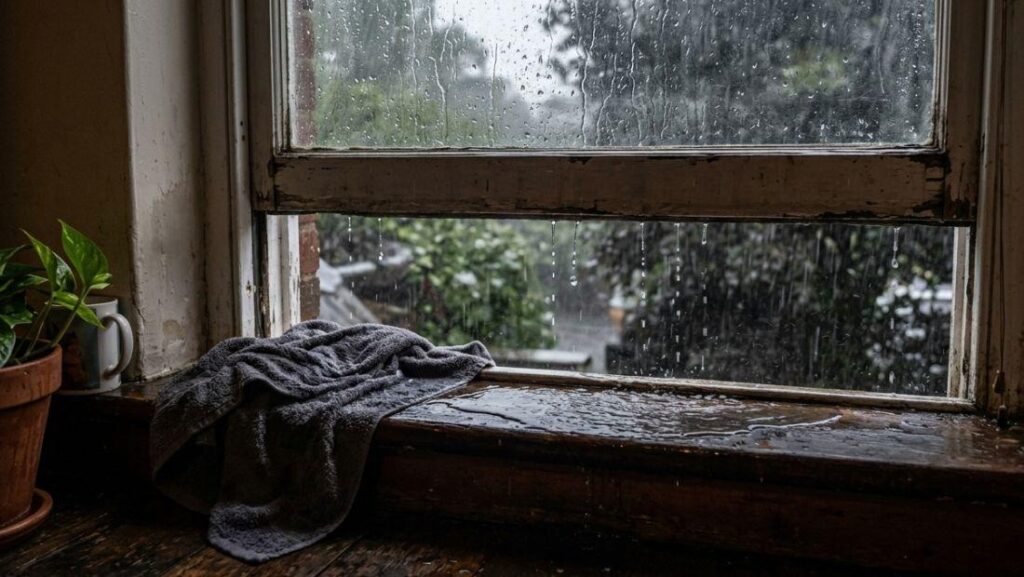
Fixing window leaks depends on the root cause and the extent of the damage. Some problems respond well to simple maintenance, while others need proper repair to stop water intrusion completely.
Quick Fixes for Minor Leaks
Small problems can often be handled with basic maintenance. These quick fixes may help stop minor water leaks during light rain and prevent further moisture buildup.
- Reapply caulk around the window
- Clean weep holes and drainage channels
- Replace worn weather seals
These steps can reduce leaks and improve the seal around the window. However, they do not fix deeper installation or structural issues that may be causing ongoing leaks.
Long-Term Repairs That Work
Persistent leaks need proper repair to prevent future damage. Addressing the full problem helps protect the wall, frame, and surrounding materials from moisture damage.
- Install new flashing or flashing tape
- Fix gaps around the window flange
- Repair damaged siding or wall sections
- Replace the entire window if needed
The best solution depends on the root cause and condition of the window. Fixing the full issue helps prevent leaks from returning and protects your home over time.
Repair vs Replacement: What Makes Sense?
Some windows can be repaired, while others need replacement. The condition of the window determines the right approach.
| Condition | Best Solution |
| Minor seal damage | Repair and reseal |
| Flashing failure | Reinstall flashing |
| Frame or structural damage | Window replacement |
| Older windows with issues | Replace with new windows |
Replacement windows offer better protection and energy-efficient performance. Many homeowners choose this option when leaks happen often.
When You Need Professional Help
Some window leaks go beyond basic fixes and require expert repair. If water keeps coming back, it often means there is a deeper issue inside the wall or around the window structure that needs attention.
Water leaking inside walls, mold growth, repeated leaks during rain, or visible damage to the frame or siding are clear signs. A team like Triple J Construction Services can find the root cause and fix it properly, helping protect your house from long-term damage.
How to Prevent Future Window Leaks
To prevent future window leaks, focus on regular maintenance and early inspection. Most leaks happen when small issues like worn caulk, clogged weep holes, or damaged flashing go unnoticed. Fixing these early helps stop water intrusion before it reaches the wall or interior.
Check caulk and seals often, keep weep holes clear, and inspect flashing and exterior edges around the window. Repair cracks right away and maintain siding and roof areas near the window. These steps help reduce moisture damage, prevent costly repairs, and extend the life of your windows.
Cost Impact of Ignoring Window Leaks
Ignoring leaks can lead to higher repair costs over time. What starts as a small issue can become a major problem.
- Minor repair: low cost and quick fix
- Moderate damage: higher repair work needed
- Structural damage: major investment required
Water damage affects walls, floors, and insulation. Fixing the issue early helps you save money and protect your property.
Why Modern Windows Perform Better
Most modern windows include improved sealing and drainage systems. According to the US Department of Energy, windows can account for 25–30% of energy loss in a home, which highlights how important proper sealing and performance are. Features like double-glazed windows and advanced glass seal technology help reduce leaks and improve efficiency.
New windows also use advanced materials that resist moisture and wear. These upgrades help prevent water infiltration during heavy rain and strong winds. Replacing older windows with modern windows can reduce maintenance and improve energy efficiency. It also lowers the risk of future window leaks.
Conclusion
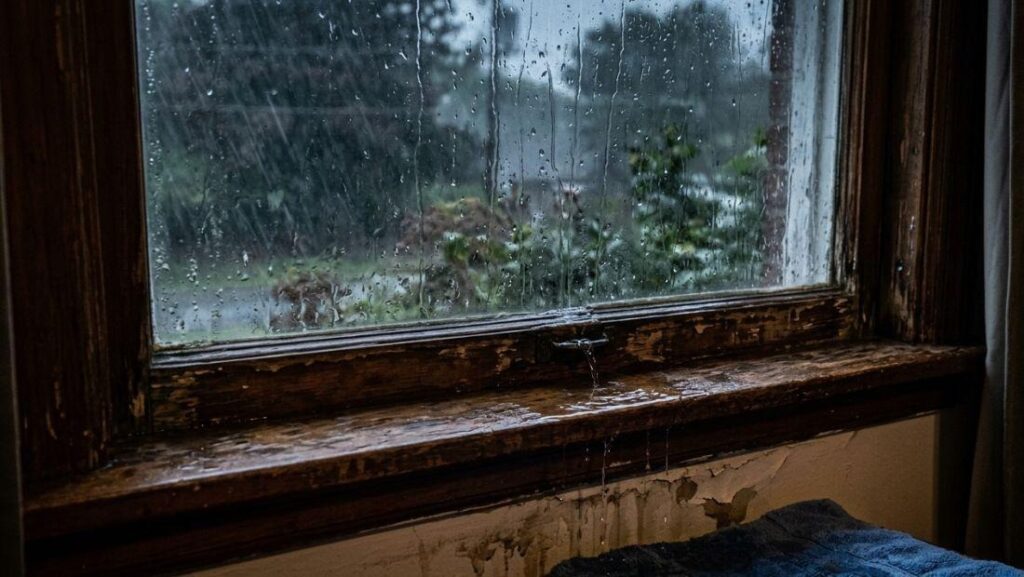
Fixing window leaks starts with understanding the root cause and acting early. Small issues like worn seals, clogged weep holes, or damaged flashing can quickly turn into water damage, mold growth, and structural problems if ignored. Regular maintenance and timely repair help protect your house, extend the life of your windows, and prevent costly repairs later.
At Triple J Construction Services, we handle window leaks the right way by finding the real problem and fixing it at the source. Whether you need repair, sealing, or full window replacement, our team is ready to help protect your property from further damage. Contact us today to schedule an inspection and get a free quote.