

Water damage on walls affects your home by weakening structural materials, increasing health risks, and reducing property value. What may start as simple water stains or peeling paint can quickly turn into deeper structural damage if moisture remains trapped. When water intrusion reaches drywall, insulation, or wood framing, it compromises the strength of these materials. If left unattended, wall water damage can lead to mold growth, electrical hazards, and costly repairs.
Many homeowners first notice surface issues, but the real problem often develops behind the walls. Hidden moisture can spread through ceilings and floors, creating more damage over time. Understanding the root cause and responding quickly helps prevent serious damage and future issues. Acting early makes it easier to fix water damage before it escalates into a larger restoration project.
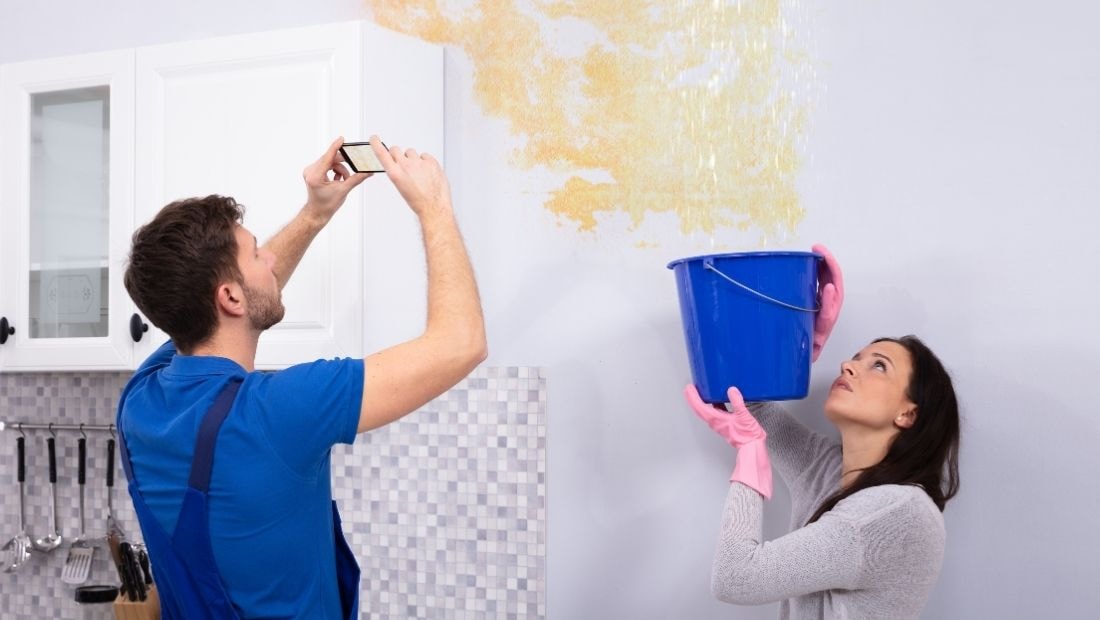
What Is Water Damage on Walls?
Water damage on walls happens when water enters wall materials and remains trapped. This moisture weakens drywall, plaster, and wood framing over time. While some issues stay on the surface, hidden water damage can cause serious damage behind the walls.
Walls are vulnerable because they hide plumbing lines, insulation, and electrical wiring. Even a small plumbing leak or burst pipe can saturate drywall and wet insulation. When water present inside walls does not dry completely, mold and structural problems often follow.
Surface vs. Structural Damage
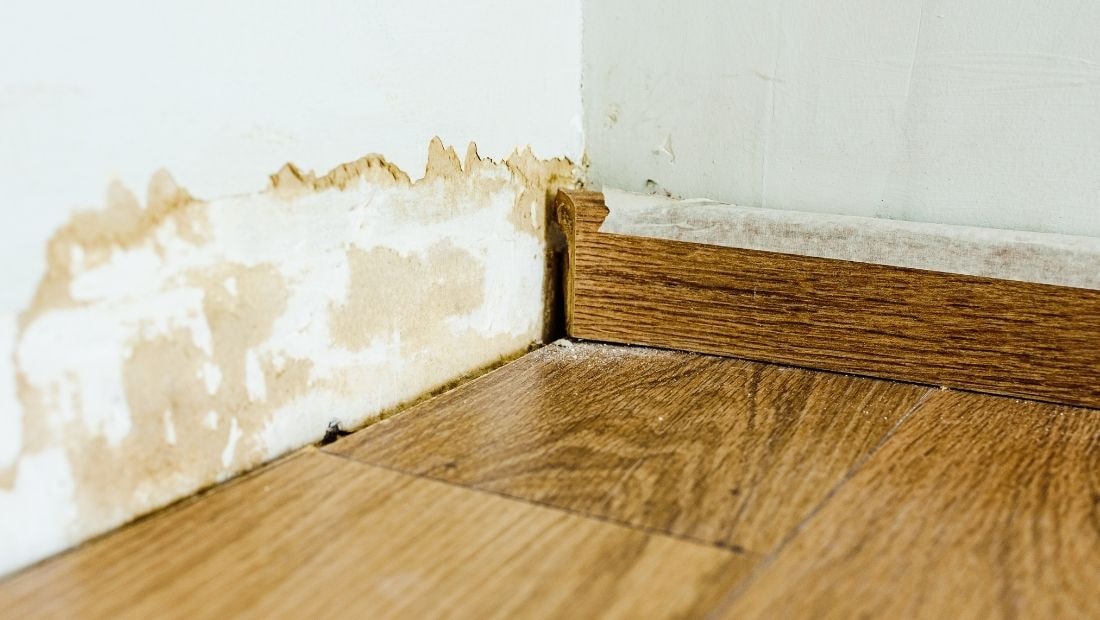
Surface damage includes discoloration, flaking paint, bubbling paint, and peeling paint. Structural damage affects framing, insulation, and load-bearing components. Structural problems usually require professional help to restore safety.
Common Causes of Water Damage on Walls
Water damage on walls usually begins with a water leak inside the home or outside exposure. Plumbing issues, such as a burst pipe or slow leak, often cause water damaged walls. Roof damage and foundation cracks can also allow water intrusion during heavy rain.
Exterior water intrusion may enter through siding cracks or damaged flashing. Poor drainage and a failing sump pump can increase moisture around the foundation. When moisture seeps into cracks, damp walls and hidden water damage may develop behind drywall.
Interior Plumbing Issues
Leaking pipes, broken plumbing joints, and appliance hoses often cause wall water damage. A burst pipe can flood the affected area within minutes. Even small leaks behind drywall can remain unnoticed for weeks.
Exterior Water Intrusion
Roof leaks, damaged gutters, and foundation cracks often allow water intrusion. Cracks around windows or doors may also allow water present to reach interior walls. Over time, damp conditions weaken building material and insulation.
Early Signs You Should Never Ignore
The signs of water damage often appear gradually, but they rarely improve without repair. Common signs include water stains, discoloration, bubbling paint, and flaking paint. You may also notice a musty smell or damp patches on the wall surface.
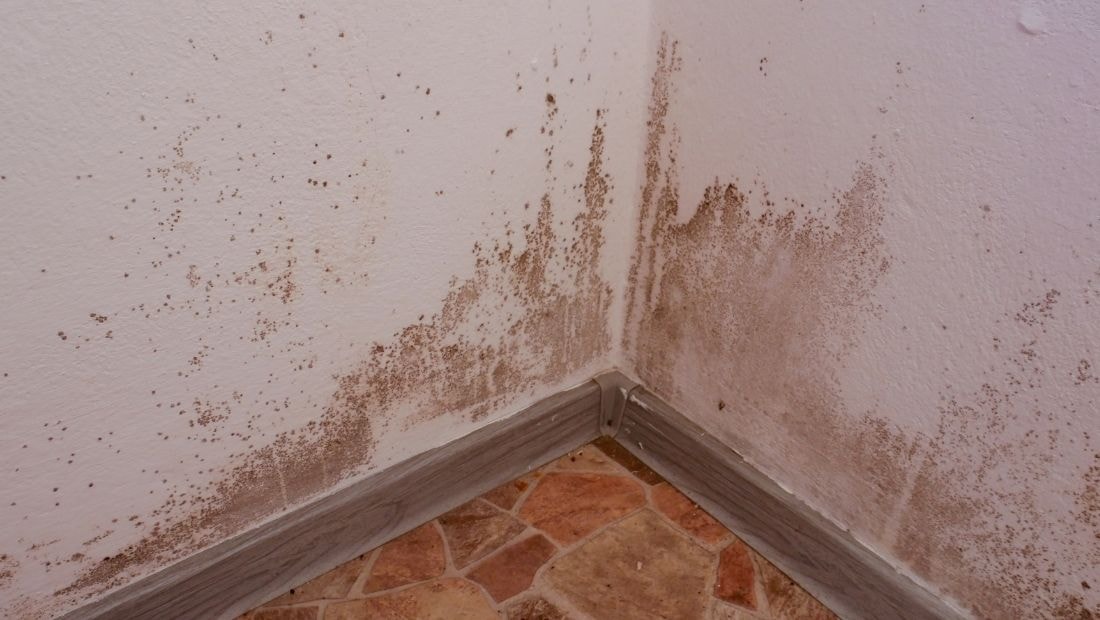
Hidden water damage can cause peeling paint, warped drywall, or soft spots. Mold growth may appear as dark patches in various areas. If you inspect walls regularly, you can detect issues before they lead to serious damage.
Visual and Physical Clues
During a visual inspection, look for bubbling, cracks, peeling, or holes in drywall. Inspect ceilings and floors for signs that water has spread. These signs may indicate that water damage affects more than one area.
Common Signs of Water Damage on Walls
- Yellow or brown water stains
- Peeling paint or flaking paint
- Bubbling paint or bubbling plaster
- Musty smell
- Soft or damp drywall
- Mold growth
- Discoloration spreading outward
- Wet insulation behind walls
How Water Damage on Walls Affects Your Home
Water damage on walls can compromise structural integrity and indoor safety. When drywall absorbs moisture, it softens and loses strength. If water intrusion reaches wood framing, structural damage can develop.
Mold growth may begin within 24 to 48 hours when moisture remains trapped. Howerver, according to the United States Environmental Protection Agency, if wet or damp materials or areas are dried 24-48 hours after a leak or spill happens, in most cases mold will not grow. Mold spores affect air quality and may cause respiratory irritation. Electrical wiring inside damp walls also increases fire risk if water present contacts exposed components.
Structural Weakening
Water damaged drywall can sag or collapse when heavily saturated. Wet insulation loses its ability to regulate indoor temperature. Over time, structural problems may require extensive repair and restoration.
Health and Safety Risks
Mold can spread quickly through hidden water damage. Mold remediation becomes essential when contamination spreads. In severe cases, water damage can increase fire hazards if wiring becomes exposed.
How Water Damage on Walls Progresses
| Stage | What Happens | Risk Level |
|---|---|---|
| Early | Surface stains and peeling paint | Low to Moderate |
| Mid-Level | Water damaged drywall and wet insulation | Moderate |
| Advanced | Structural damage and mold growth | High |
| Severe | Structural problems and electrical risk | Very High |
How Fast Water Damage Progresses
Water damage on walls can escalate quickly if ignored. Within hours, drywall absorbs moisture and becomes soft. Within days, mold growth can begin in damp areas.
When left unattended, structural damage may develop over weeks or months. Water intrusion that continues without repair often leads to more damage. Acting quickly helps prevent serious damage and costly restoration.
How to Assess the Severity
You can begin with a visual inspection of the affected area. Look for discoloration, bubbling paint, damp spots, and cracks. Use a moisture meter to determine if moisture remains inside drywall or plaster.
A moisture meter helps determine the extent of hidden water damage. If readings stay high, walls may not be completely dry. In these cases, professional help is typically required to determine the full extent of structural damage.
When to Call a Professional
Call professional help if mold growth appears. Seek assistance if water damaged walls feel soft or unstable. If electrical components are near the water damaged area, contact a contractor immediately.
Immediate Action Checklist After Discovering Water Damage
- Stop the water leak or plumbing issue.
- Turn off electricity near the affected area.
- Wear protective gear before handling damaged material.
- Remove moisture using fans or dehumidifiers.
- Open windows to improve airflow.
- Document the damage for insurance.
- Contact professionals for serious damage.
How to Fix Water Damage on Walls
To fix water damage properly, you must address the root cause first. Repair the plumbing leak, burst pipe, or exterior cracks before restoring walls. If you skip this step, future water damage will likely occur.
For minor surface damage, sand the area and apply new paint after walls completely dry. For water damaged drywall, remove the damaged material and replace it. Wet insulation should also be removed to prevent mold growth.
Minor to Moderate Repairs
Small areas may only require sanding, patching, and repainting. Ensure the area is completely dry before applying new paint. Proper drying prevents hidden moisture from causing future issues.
Severe Structural Repairs
Serious damage often requires removal of drywall and damaged framing. Mold remediation may also be essential. Restoration professionals can repair structural damage and provide a lasting fix.
Repair Costs and Restoration Expectations
The cost to repair water damage varies based on severity. In 2023, 5.3% of insured homes filed a claim, according to the Insurance Information Institute. Property damage, including theft, made up 97.3% of all homeowners insurance claims. The category “water damage and freezing” includes mold-related damage when covered, which shows how common and costly water intrusion can be.
Minor surface repairs may cost a few hundred dollars. Structural damage and mold remediation can cost significantly more. The extent of the water damaged area determines the final cost. Repair water damage quickly to reduce expenses. Acting early helps protect your home and prevents future issues.
Preventing Future Water Damage
Preventing water damage on walls requires consistent maintenance. First, inspect plumbing, ceilings, and various areas for leaks. Additionally, check for foundation cracks and repair them promptly to avoid further issues.
Furthermore, maintaining gutters and ensuring your sump pump functions properly is essential in preventing water buildup. By addressing water damage early, you can prevent more significant structural problems down the line. In the long run, keeping walls dry will help protect insulation, wood framing, and interior finishes from deterioration.
Long-Term Prevention Tips
Inspect plumbing connections regularly. Seal cracks around windows and exterior walls. Use dehumidifiers in damp spaces to control moisture.
The Importance of Addressing Water Damage Quickly
Addressing water damage immediately prevents more damage and costly repairs. When water intrusion is ignored, mold growth and structural damage often follow. Acting fast helps restore your home safely and efficiently.
Wear protective gear when handling damaged material. Always remove moisture and completely dry walls before restoration. Taking prompt action provides a permanent solution rather than a temporary fix.
Conclusion
Water damage on walls should never be ignored because it weakens structural materials, increases health risks, and lowers property value. What begins as minor water stains or peeling paint can quickly develop into hidden water damage, mold growth, and structural problems if left unattended. Acting early helps determine the root cause, remove moisture, and completely dry the affected area before serious damage spreads. Addressing water damage properly protects your home, prevents future issues, and provides a lasting fix instead of a temporary repair.
At Triple J Construction Services, we understand how quickly wall water damage can escalate and how important it is to fix water damage correctly the first time. Our team can inspect the affected area, determine the full extent of structural damage, and repair water damage with a permanent solution that protects your property. We focus on safe, efficient restoration to prevent future water damage and more damage down the line. Contact us today to schedule an inspection and let our professionals restore your home with confidence.