

Retention ponds manage stormwater runoff and prevent flooding, especially in urban and suburban areas. These ponds temporarily store excess water and gradually release it, reducing flooding and erosion risks. Understanding retention pond maintenance cost is essential for property managers and homeowners to budget effectively. Regular pond maintenance helps prevent costly repairs by addressing issues like sediment buildup, clogged drains, and poor water quality.
In this article, we’ll explore the factors that affect maintenance costs, such as pond size, type, and location. We’ll discuss strategies for saving on upkeep, including controlling vegetation and scheduling regular inspections. We’ll also highlight the importance of maintaining water quality and aquatic plants that help filter pollutants. By staying on top of maintenance, property owners can avoid flooding, drainage issues, and costly repairs, ensuring their pond functions efficiently year-round.
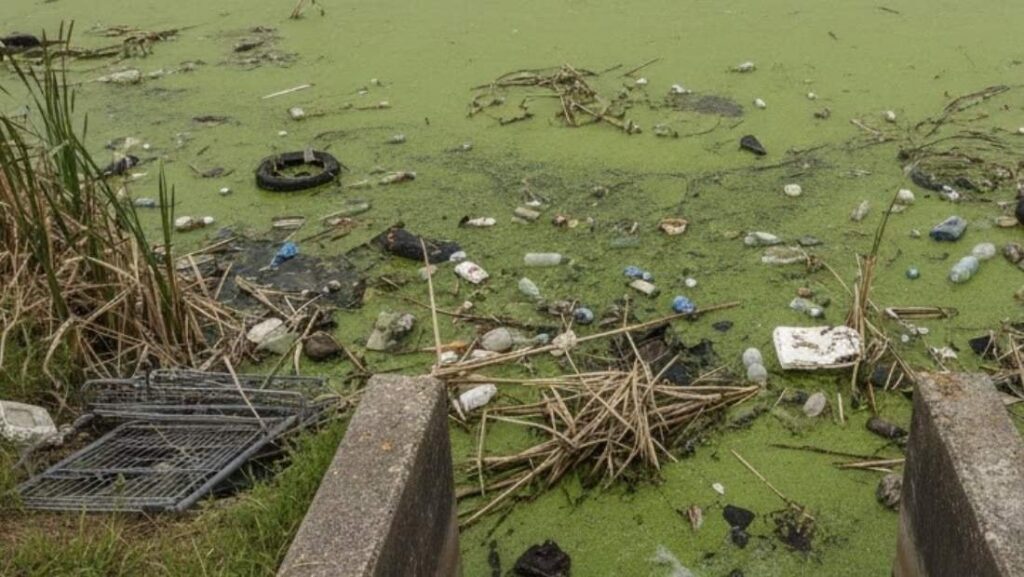
Factors Influencing Retention Pond Maintenance Cost
There are several cost factors that determine the price of maintaining your retention pond. These include the pond size, the type of pond, and the pond features. Let’s explore how these elements affect the overall maintenance cost.
Pond Size
The larger the pond, the more expensive it will be to maintain. Large ponds require more pond cleaning, filter cleaning, and pond dredging to ensure water quality remains at optimal levels. For example, a fishing pond or a backyard pond with a large surface area will need more frequent maintenance, as debris, sediment, and aquatic plants accumulate faster in bigger spaces.
Visual Break: Table of Pond Size and Maintenance Frequency
Understanding the relationship between pond size and maintenance frequency is key to effective stormwater management. The following table outlines the estimated annual cost and maintenance schedules based on pond size to help you plan accordingly. However, it’s always best to consult a local provider for more accurate estimates tailored to your specific pond and environmental conditions.
| Pond Size | Maintenance Frequency | Estimated Annual Cost |
| Small Pond | 2–3 times per year | $500–$700 |
| Medium Pond | 3–4 times per year | $1,000–$1,500 |
| Large Pond | 4–5 times per year | $2,000+ |
Pond Type
The pond type can also impact maintenance costs. A koi pond or a water feature with fish and plants requires more care than a basic retention pond. Water treatments to keep the water clear, regular filter cleaning, and managing aquatic plants add to the cost of maintenance.
For example, koi ponds need specific care to maintain a balance in water quality, prevent the growth of harmful algae, and ensure fish health. This is a more intensive form of pond cleaning compared to a fishing pond or retention pond.
Pond Features and Landscaping
If your pond includes extra features like waterfalls, pondless waterfalls, or decorative landscaping features, the maintenance costs increase. These features require regular pressure washing, filter cleaning, and ensuring that the water feature is running smoothly. Aquatic plants, such as water lilies, can also increase costs due to the need for trimming, weeding, and regular checks to avoid overgrowth.
How Often Should Retention Ponds Be Maintained?
The frequency of pond maintenance depends on several factors such as pond size, pond type, and the environmental conditions in the surrounding area. Originally, it was believed that these ponds only required maintenance every 8–12 years. However, more recent findings, particularly from the Minnehaha Creek Watershed District (MCWD), have shown that sediment accumulation can occur more quickly than anticipated, sometimes within just 5 years. To maintain pond efficiency and prevent issues like clogged drains or poor water quality, regular maintenance is necessary. All ponds should be inspected at least once a year to ensure they are functioning correctly.
Seasonal Maintenance Needs
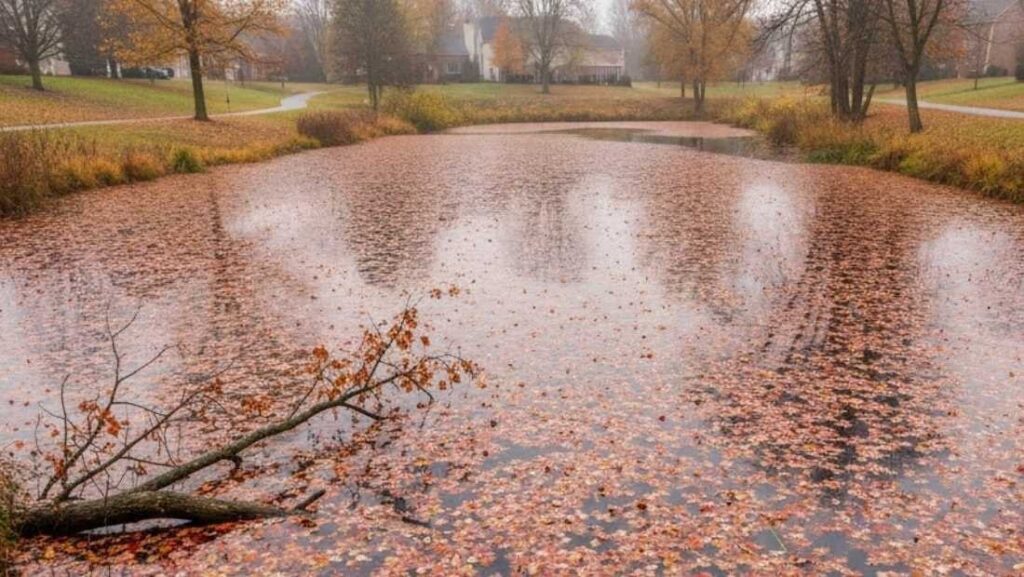
Spring and fall are the prime times for maintenance. During these seasons, the pond tends to collect more debris like fallen leaves, branches, and sediment. You’ll also need to clear out any aquatic plants that have grown too much.
A partial water change during these seasons can help improve water quality and prevent algae growth. If your pond has a water feature like a pondless waterfall, this is also the time to ensure that the pump is functioning properly and that there is no sediment buildup in the basin.
Regular Inspections
At a minimum, ponds should be inspected at least once or twice a year. More complex systems with fish or water features may need filter cleaning, water treatments, and other services more frequently. Additionally, surrounding banks and pond edges should be checked for erosion and soil instability.
Regular checks for invasive plant species and debris buildup are also vital to prevent clogging and water quality issues. Ensuring proper water levels and aeration will further help maintain the pond’s functionality and prevent stagnation. Proactive inspections can help catch small problems before they develop into larger, more expensive repairs.
DIY vs. Professional Pond Maintenance: Which Saves Money?
When it comes to pond maintenance, property owners often face the decision of whether to handle it themselves or hire professionals. Both options come with their pros and cons.
DIY Maintenance
DIY maintenance can save money upfront, but it may end up costing more in the long run if you miss important tasks. Regular tasks like debris removal, weed control, and basic pond cleaning can be done by homeowners. However, tasks such as pond dredging, water quality testing, and repairs are better left to professionals.
While it’s tempting to handle maintenance yourself to save on pond cleaning costs, failing to address issues like sediment buildup or water quality can lead to much larger, more expensive problems down the road.
Professional Services
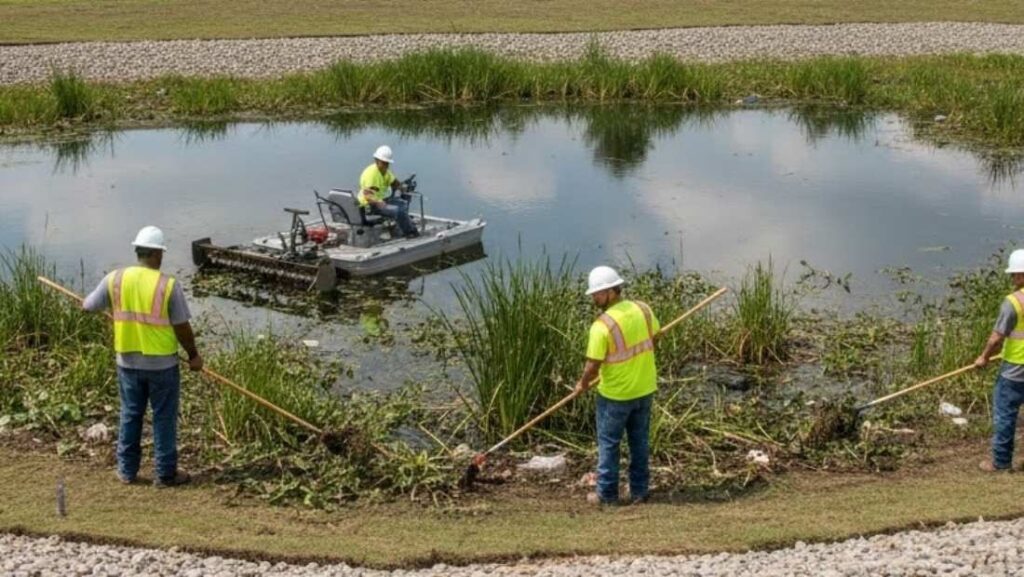
Hiring a professional pond service ensures that every aspect of the retention pond maintenance is handled correctly. Professional services have the right tools and expertise to perform water testing, manage aquatic plants, and handle repairs efficiently. They also help prevent potential issues, such as flooding or erosion along the pond banks, which could cost far more to fix if left untreated.
Hidden Costs You Shouldn’t Overlook
While pond maintenance costs are typically straightforward, some hidden costs might surprise you. These can include:
Dredging and Deep Cleaning
Over time, sediment and debris accumulate in the pond, which may require occasional dredging. This is often one of the more expensive maintenance tasks and can cost between $2,000–$5,000, depending on the pond size and depth. Dredging removes built-up sediment and restores proper water flow.
Repairs
Repairs to pond liners, pumps, or water features can also add unexpected costs. Regular maintenance, such as filter cleaning and ensuring the pump is in good working condition, helps minimize the need for costly repairs.
At Triple J Construction Services, we pride ourselves on transparency. You won’t encounter any hidden costs. Just honest, reliable pond maintenance at a fair price. Contact us today for stress-free, expert care!
How to Save on Retention Pond Maintenance Costs
Although pond maintenance can be costly, there are strategies to reduce expenses while keeping your pond healthy. Taking proactive measures can prevent major issues from developing. For example, installing debris traps helps catch trash before it settles, reducing the need for frequent cleanings. Additionally, managing vegetation around the pond keeps overgrown plants under control, preventing water quality issues. Performing regular inspections each season helps identify problems early, saving you from costly repairs later.
Planning ahead for maintenance can also help reduce costs. Regular inspections allow you to spot issues like sediment buildup, water flow problems, or plant overgrowth. By creating a maintenance plan, you can avoid unexpected repairs or emergency services, saving money in the long run.
Conclusion
Understanding retention pond maintenance cost is essential for property owners and managers to keep ponds functioning properly. By considering factors like pond size, features, and maintenance frequency, you can better prepare for costs and avoid surprises. While DIY maintenance may seem cost-effective, professional services ensure thorough, long-lasting care. With the right strategy, you can ensure your retention pond remains in excellent condition, benefiting your property for years to come.
At Triple J Construction Services, we specialize in reliable, cost-effective retention pond maintenance. Our professional services help property owners save money while ensuring ponds stay in top condition. Contact us today to learn how we can help you maintain your pond efficiently and effectively.
FAQs
How to maintain a retention pond?
To maintain a retention pond, regularly remove debris and vegetation to prevent clogging. Inspect the pond’s water quality and structure, checking for sediment buildup and erosion. Ensure proper functioning of inlets and outlets, and perform occasional dredging if necessary.
What are the disadvantages of a retention pond?
Retention ponds require regular maintenance, which can be costly and time-consuming. They can also attract pests like mosquitoes if not properly managed. Additionally, they take up valuable land space, which could be used for other purposes.
How much does a detention pond cost?
The cost of building a detention pond typically ranges from $10,000 to $50,000, depending on its size and complexity. Annual maintenance costs can vary from $500 to $5,000, depending on the pond’s size and condition. Additional costs may include dredging, repairs, and vegetation control.
What’s the difference between a retention pond and a detention pond?
A retention pond permanently holds water, designed to manage stormwater runoff over time. A detention pond temporarily holds water, allowing it to be released gradually after a storm. The primary difference is that a retention pond maintains water continuously, while a detention pond only stores water temporarily.